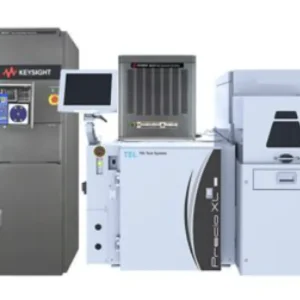
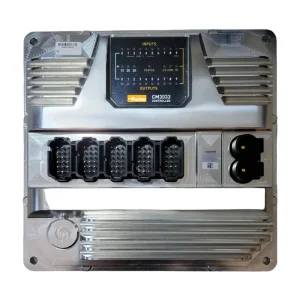
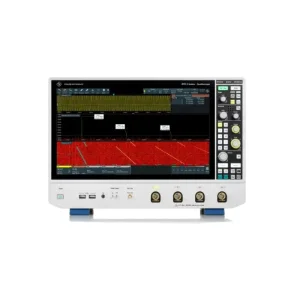
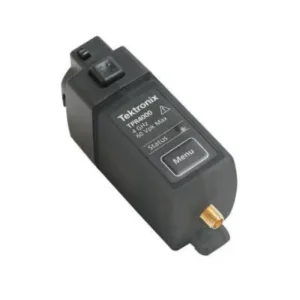
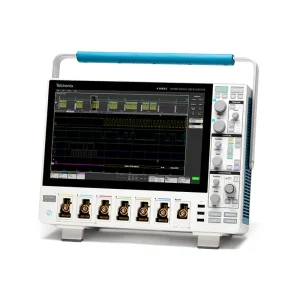
High-grade testing systems, controllers, and instrumentation sourced to optimize critical infrastructure and diagnostics.
In modern power systems and plant manufacturing, checking the status of enclosed electrical assets like switchgears without risking hazardous arc flashes has shifted from a recommendation to a regulatory mandate. Infrared (IR) Windows act as precision transmission ports, allowing maintenance technicians to perform visual, infrared, and ultraviolet inspections safely through a sealed barrier. By keeping switchgear doors closed, companies comply with strict global safety guidelines like NFPA 70E and OSHA regulations.
Choosing the right optical substrate for IR windows is vital for spectral accuracy, ambient durability, and mechanical strength.
| Substrate Material | Transmission Bandwidth | Mechanical Durability | Resistance to Moisture | Optimal Application Scenarios |
|---|---|---|---|---|
| Calcium Fluoride (CaF2) | 0.15 µm to 9.0 µm | Moderate | Sensitive (Soluble in acid) | High-temperature industrial ovens, controlled indoor switchgears |
| Barium Fluoride (BaF2) | 0.15 µm to 12.0 µm | Moderate | Moderate resistance | Broadband spectral analysis, combined UV/IR thermal cameras |
| Germanium (Ge) | 2.0 µm to 14.0 µm | Very High | Excellent | Outdoor electrical panels, harsh marine/offshore enclosures |
| Zinc Selenide (ZnSe) | 0.5 µm to 20.0 µm | Low-Moderate (Soft) | Good | Precision CO2 laser alignment, gas analysis ports |
| Industrial Polymer | Broadband (IR & Visible) | High (Impact Resistant) | Excellent | Heavy vibration zones, standard substation distribution boxes |
Strategic insights into the market forces, safety compliance requirements, and regional deployment metrics shaping industrial safety interfaces.
Global standards bodies (specifically IEEE, NFPA 70E, and CSA Z462) urge zero-contact panel inspection procedures. Implementing IR windows reduces risks, dropping arc-flash hazard frequencies dramatically during predictive maintenance cycles.
The rise of Industry 4.0 has driven demand for multi-spectral windows that integrate visual, infrared, and corona-detecting UV inspection properties. Modern setups also incorporate IoT gas-discharge or temperature micro-sensors behind the glass.
Industrial procurement relies heavily on regional optical components from China due to reliable crystal growth facilities. B2B buyers gain high-purity optical paths at highly competitive prices, lowering overall system cost structures.
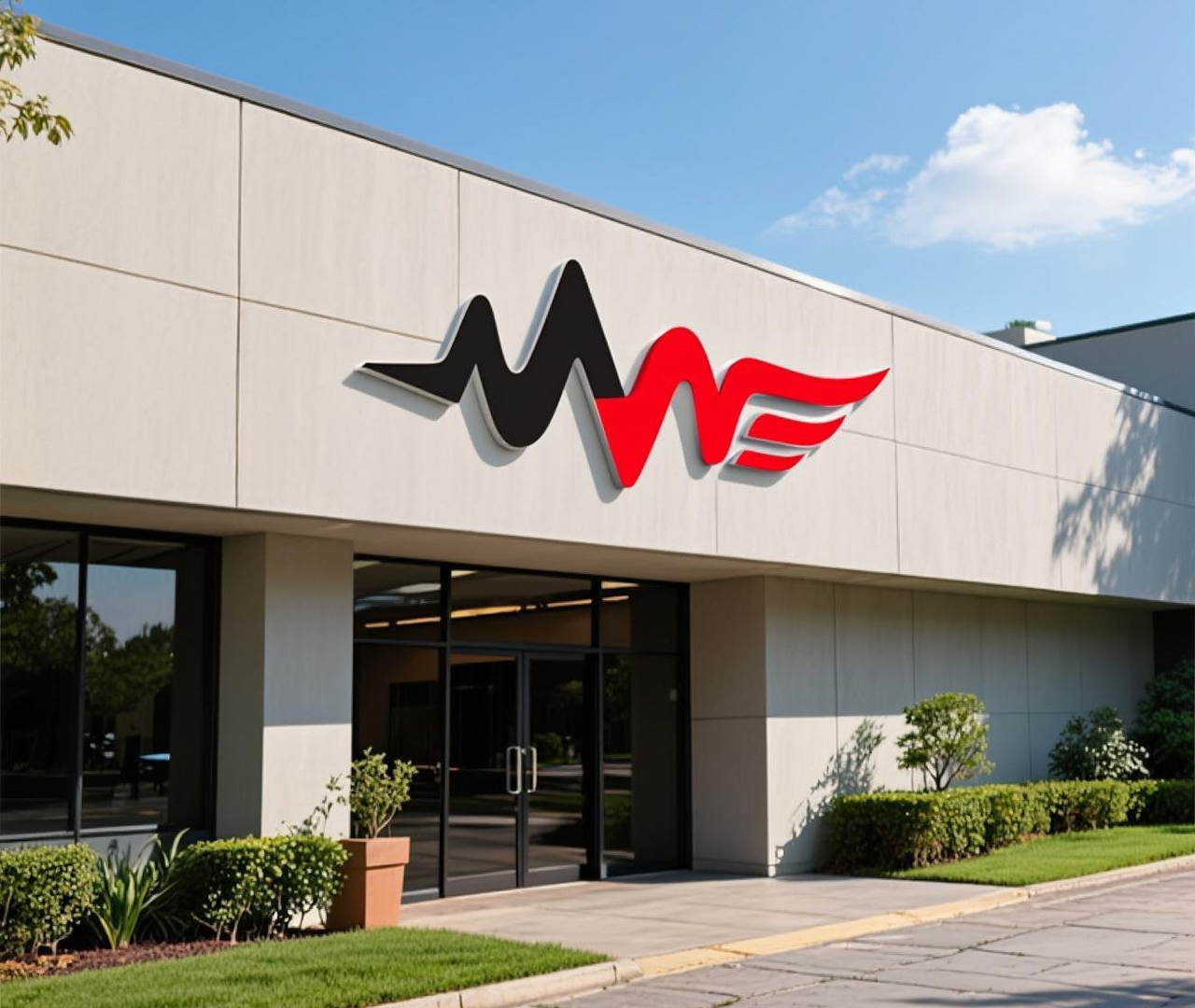
Where optical clarity meets safety: Critical infrastructure deployments demanding structural integrity and peak performance.
Substations operating at 10kV to 500kV require routine thermographic profiling. Standard mechanical access risks lethal arc flash ionization. Installing large crystal or polymer IR windows permits risk-free scans under peak loads.
Refineries run complex electrical processes in hazardous zones (Class I Div 1/2). Standard inspections are slow and costly. Explosion-proof, sealed crystal IR windows facilitate safe diagnostics without compromising safety protocols.
Marine engines and high-torque motors need continuous thermal profiling of bearings and gear meshings. Robust sapphire and polymer ports prevent physical hazards while keeping monitoring sensors dry and clean.
Leveraging our network, strategic partnerships, and engineering capabilities to provide reliable supply solutions.
As automation expands, the requirements for IR windows are evolving. Next-generation viewing panes will transition from passive barriers to active diagnostics:
Manufacturers in China have invested heavily in synthetic crystal growth (such as CaF2 and ZnSe) and precise CNC manufacturing. This ensures robust mechanical housings that meet strict UL certification standards while keeping pricing competitive for industrial scale-ups.
Answers to technical and supply chain queries to support your B2B sourcing decisions.
Crystal optics, such as Calcium Fluoride (CaF2) or Germanium (Ge), provide higher infrared transmission efficiency and work across broader spectrums. Polymer windows offer better drop and impact resistance but may experience signal loss over specific wavelengths.
Yes. Over time, environmental dust, heat, and humidity can degrade optical coatings. Periodic transmission verification (calibration) ensures that thermal imaging equipment records accurate temperatures through the window.
They act as a physical barrier. Technicians perform scans while the enclosure doors remain closed and latched. By keeping the panel sealed, the risk of air ionization and arc flash is almost completely removed.
Yes, our strategic supply network provides customized OEM/ODM designs. We can adjust diameter sizes, flange materials (aluminum, stainless steel), and sealing methods (IP65, IP67, NEMA 4/12) to match your custom switchgear specifications.
Original parts, servers, and testers that help maintain high operational uptime across your automated production lines.
 Machine-Win