 Machine-Win
White Paper: Optimizing Battery Performance in Remote Tropical Climates
As the Republic of Vanuatu accelerates its transition toward 100% renewable energy reliance, the deployment of reliable Battery Energy Storage Systems (BESS) has become paramount. With over 80 islands spanning a remote geography, decentralization is not just a strategic choice but a logistical necessity. However, operating advanced lead-acid and lithium-ion battery configurations in Vanuatu presents significant environmental and operational hurdles. High relative humidity, persistent oceanic salt mist, elevated ambient temperatures, and volatile load profiles accelerate battery degradation, risking catastrophic loss of power to critical infrastructure.
Strategic Insight: Implementing precise battery analyzers and predictive state-of-health (SoH) diagnostics is key to mitigating premature capacity fade and preventing system downtime across Pacific off-grid networks.
Understanding Tropical Battery Degradation Mechanisms
Batteries operating in high-temperature environments (frequently exceeding 30°C in Efate, Espiritu Santo, and Tanna) experience rapid Arrhenius-driven acceleration of chemical side reactions. For lead-acid cells, this manifests as grid corrosion and active material shedding. For lithium-ion chemistries (such as Lithium Iron Phosphate - LiFePO4), elevated ambient heat increases Solid Electrolyte Interphase (SEI) growth, consuming active lithium ions and reducing capacity. High humidity levels further threaten battery management system (BMS) electronics, risking leakage currents, isolation faults, and sensor failure.
Electrochemical Impedance Spectroscopy (EIS) & DC Internal Resistance
Evaluating state-of-health (SoH) goes beyond measuring simple float voltage. Real-time battery performance analysis requires analyzing dynamic internal parameters:
1. DC Internal Resistance (DC-IR): Measured by applying a short-duration load and recording the voltage drop, indicating overall contact integrity, plate sulfation, and bulk electrolyte resistance.
2. AC Impedance (EIS): Applying low-amplitude AC currents across a range of frequencies (typically 0.1 Hz to 10 kHz) to map internal chemical processes, including charge-transfer resistance and double-layer capacitance.
| Diagnostic Parameter | Testing Protocol | Indication of Health | Target Action Limit |
|---|---|---|---|
| AC Internal Resistance (1 kHz) | Online impedance testing | Cell interconnection health, grid decay | >25% deviation from baseline |
| DC Resistance (DC-IR) | Pulsed load testing | Active mass depletion, terminal corrosion | >50% increase from baseline |
| Electrolyte Temperature | Infrared thermography / sensor probes | Thermal runaway pre-conditions | >45°C operating limit |
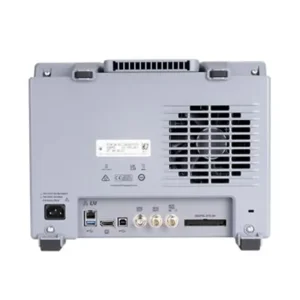
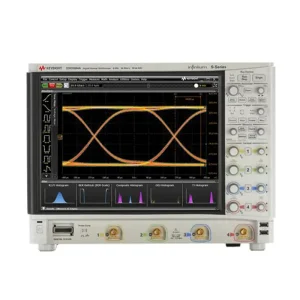
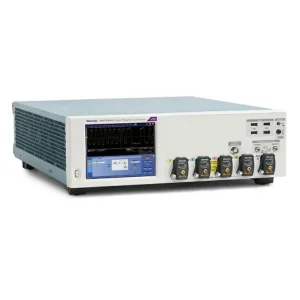
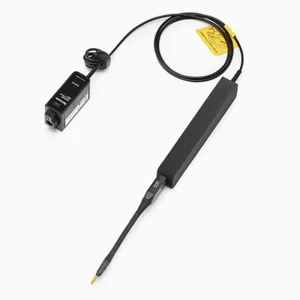
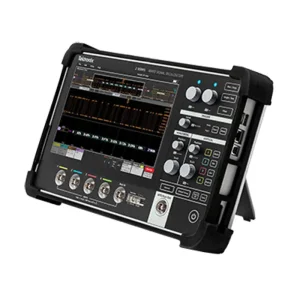
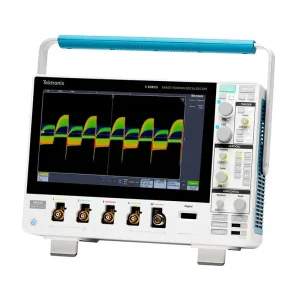
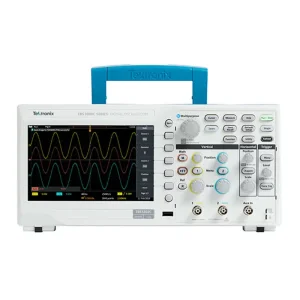
| Harmonic Waveform Distortion | Oscilloscope harmonic sweep | BMS inverter switching noise injection | THD > 5.0% on battery bus |
Global Supply Chains & Local Vanuatu Implementation
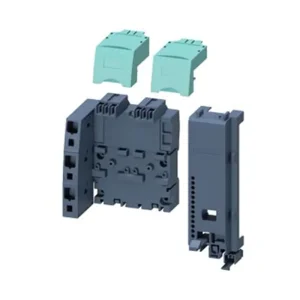
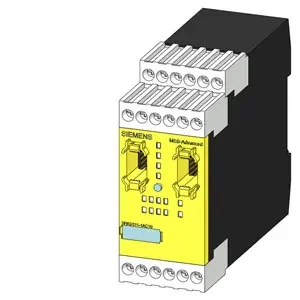
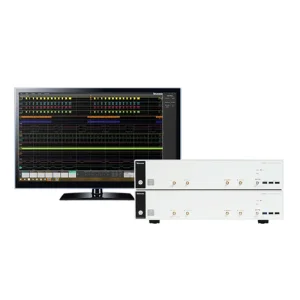
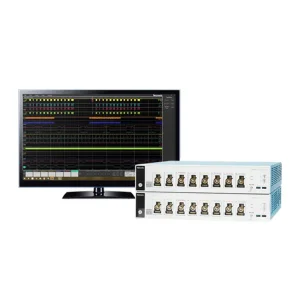
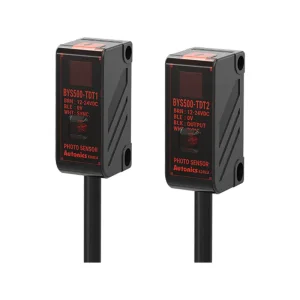
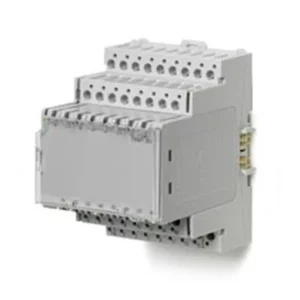
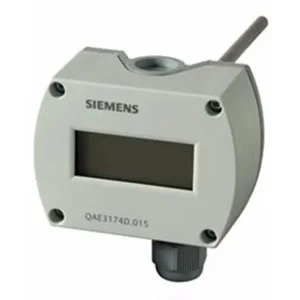
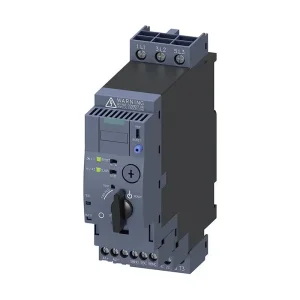
Machine-Win Technology Co., Ltd. resolves the challenge of high shipping costs and long delivery lead times for precision measurement systems in the South Pacific. By leveraging a robust global network of tier-one manufacturers, we supply brand-new, original hardware from Siemens, Keysight, Tektronix, and Autonics directly to electrical utility operators, telecommunication providers (such as Digicel and Vodafone Vanuatu), marine vessels, and government agencies in Port Vila.