Battery Analyzers Manufacturers & Suppliers in the Oman Market

Precision Engineering, Intelligent State of Health (SoH) Diagnostics, and Strategic Industrial Grade Testing Solutions Tailored for Gulf Climates

Precision Telemetry & Calibration Infrastructure

Advanced Siemens acquisition modules and precision industrial instrumentation adapted for Muscat, Salalah, and Duqm industrial testing environments.
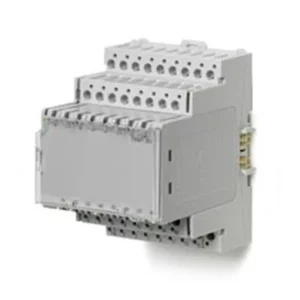
Siemens TXM1.8D

Oman Grid-Scale Battery Bank Telemetry: Siemens TXM1.8D 8 Digital Input Module

View Product Specifications
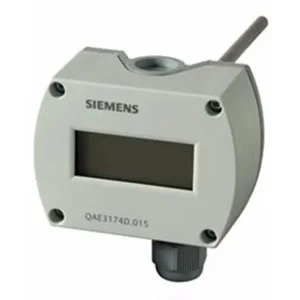
Siemens QAE3174D.015

Desert Ambient Thermal Runaway Probe: Siemens QAE3174D.015 Immersion Temperature Sensor

View Product Specifications
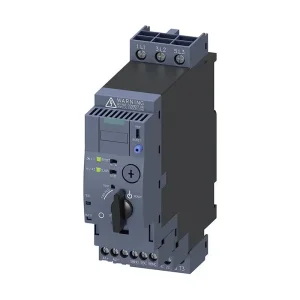
Siemens Sirius 3RA6120

Industrial Substation Battery Safety: Siemens Sirius 3RA6120 Fuseless Compact Starters

View Product Specifications
Siemens Simotics

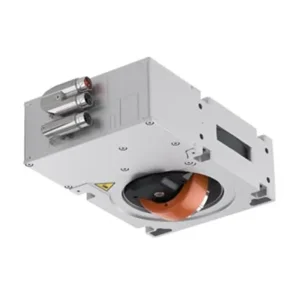
Heavy Industrial Battery Diagnostic Drive: Siemens Driving Steering System SIMOTICS 2AG5111

View Product Specifications

Strategic Demands for Advanced Battery Analysis in Oman

In the heart of the Middle East, the Sultanate of Oman is driving forward its ambitious Vision 2040 strategy. This national roadmap transitions the country towards clean energy, high-tech industrial diversification, and state-of-the-art infrastructure. Central to this monumental shift is the resilience of electrical energy storage systems (EESS), industrial uninterruptible power supplies (UPS), and the high-voltage grids operating under the extreme, demanding desert climate.

Extreme temperatures (often exceeding 50°C in summer months) significantly accelerate electrochemical degradation inside chemical batteries (Lead-Acid, VRLA, Gel, and Lithium-ion). This makes high-precision Battery Analyzers indispensable diagnostic and maintenance tools. From oil & gas extraction sites operated by Petroleum Development Oman (PDO) to telecommunications stations managed by Omantel and Ooredoo, ensuring battery reliability is no longer a standard maintenance task—it is a critical operation for business continuity and safety.

Machine-Win Technology Instruments Testing Solutions
50°C+
Industrial Design Standard
100%
Genuine Original Calibration
IEEE/IEC
Testing Compliance Standards
24/7
Engineering Technical Support

The Global and Local Landscape of Battery Diagnostics

Globally, the demand for high-reliability battery analyzer instrumentation is surging, driven by the rise of electric vehicles (EVs), large-scale grid storage, and global telecommunications. In Western and East Asian markets, focus is shifting towards integrated cloud-based battery management systems (BMS) and predictive maintenance models. However, the Gulf Cooperation Council (GCC) region—specifically Oman—faces distinct environmental challenges that call for robust hardware-in-the-loop (HIL) testing and high-accuracy field diagnostics.

Critical Localized Application Scenarios

Oman's industrial ecosystem spans diverse, heavy-duty sectors where unexpected battery failure can result in catastrophic downtime and severe economic losses:

  • Oil & Gas Exploration & Production: Remote desert extraction facilities in the Empty Quarter (Rub' al Khali) rely heavily on battery banks to supply continuous power to SCADA systems, remote telemetry units (RTUs), and emergency shutdown systems. Regular internal resistance testing is mandatory to prevent primary generator startup failure.
  • Desalination and Utility Substations: With the Nama Group upgrading primary substations throughout Al Batinah and Ad Dhakiliyah, high-voltage battery backup units must pass rigorous monthly tests checking capacity, impedance, and inter-cell connection resistance.
  • Marine & Port Infrastructure (Sohar, Duqm, & Salalah): Port operators use high-frequency testing equipment to verify the health of auxiliary battery backup banks on ships, heavy machinery, and dockside cranes exposed to high humidity and salt spray.

Technical Roadmap: Moving from Periodic Testing to Predictive Health Analytics

Traditional battery testing involved simple voltage checks and heavy load discharge tests. Modern maintenance practices in Oman are shifting towards Electrochemical Impedance Spectroscopy (EIS) and automated online thermal runaway indicators. By injecting small AC currents at various frequencies, EIS mapping allows engineers to detect electrolyte dry-out, sulfation, and internal plate corrosion long before the cell physically deforms or drops in open-circuit voltage.

Impedance Testing

Measures dynamic internal resistance to diagnose degradation trends and prevent individual cell failures before they compromise the entire battery bank.

Capacitive Discharge

Verifies real-world backup runtimes under simulated load conditions, fully compliant with IEEE 450 (Vented Lead-Acid) and IEEE 1188 (VRLA) standards.

Smart BMS Telemetry

Integrates advanced digital sensors with central SCADA platforms, allowing maintenance teams in Muscat to monitor far-flung installations in real time.

Industrial Supply Chain Partnership & Support

Seamless international sourcing, instrumentation calibration, and technical sales servicing the energy nodes of Oman.

Who We Are

Machine-Win Technology Co., Ltd. is a professional and reliable international supply chain enterprise. We specialize in sourcing, delivering, and calibrating world-class industrial instrumentation, electronic control systems, and high-performance testing platforms across Oman and the GCC area.

Core Services

We supply a comprehensive suite of instrumentation, including battery analyzers, cable testers, network analyzers, and environmental sensors. We work with leading brands such as KEYSIGHT, R&S, TEKTRONIX, KEITHLEY, YOKOGAWA, and MEGGER, and provide complete industrial backup systems alongside Siemens and Schneider components.

Why Partner With Us?

We bridge the gap between global manufacturers and regional operations. We handle calibration verification, offer fast customs clearance, provide robust technical support, and offer tailored OEM/ODM sourcing. These capabilities help Omani companies cut costs and maintain strict operational safety.

High-Performance Industrial Instrumentation Showcase

Explore our carefully selected range of Siemens control units and Keysight/Tektronix diagnostic oscilloscopes, designed for precision validation and testing.
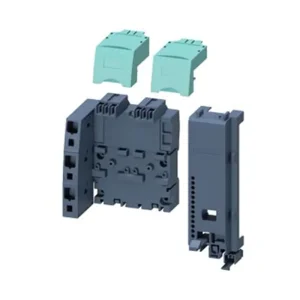
Siemens 3RV2907

Battery Storage Rack Power Distributor: Siemens 3RV2907 Infeed System

View Product Specifications
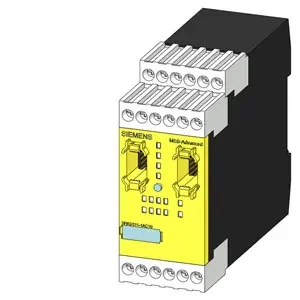
Siemens 3RK3

Oman Plant Safety Shutdown: Siemens 3RK3 Modular Safety Relay

View Product Specifications
Keysight InfiniiVision HD3

Battery Ripple Charger Debugging: Keysight InfiniiVision HD3 Series Oscilloscopes

View Product Specifications
Keysight DSOS804A

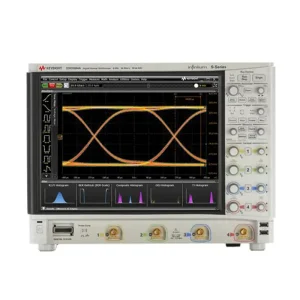
Oman High-Frequency Transient Diagnostic: Keysight High-Definition Oscilloscope DSOS804A

View Product Specifications
Tektronix DPO70000SX

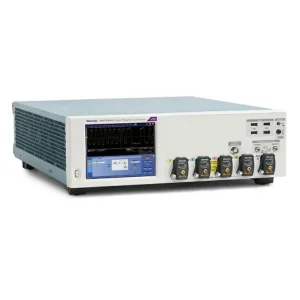
BMS Bus Signal Integrity Testing: Tektronix Performance Oscilloscope DPO70000SX

View Product Specifications
Tektronix IsoVu Probe

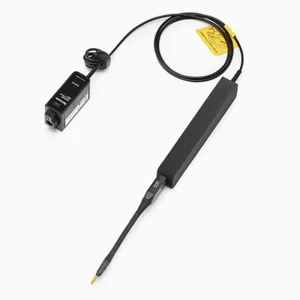
Floating Cell Voltage Isolator: Tektronix Isolated Current Probes IsoVu TICP100

View Product Specifications
Tektronix MSO22/24

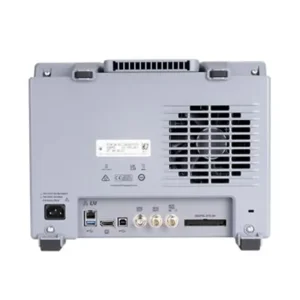
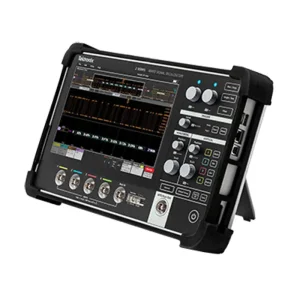
Mobile Substation Diagnostic Tool: Tektronix MSO Mixed Signal Portable Oscilloscope

View Product Specifications
Tektronix MDO 3 Series

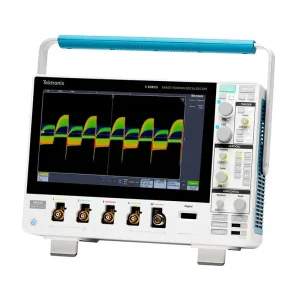
Wireless Battery Charger EMI Tester: Tektronix MDO Mixed Domain Oscilloscope

View Product Specifications

Auxiliary Industrial Spares & Equipment

Tektronix LPD64

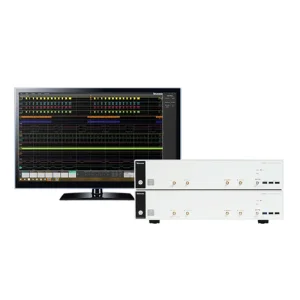
High-Density Rack Calibration: Tektronix Low Profile Digitizer LPD64

View Product Specifications
Tektronix MSO58LP

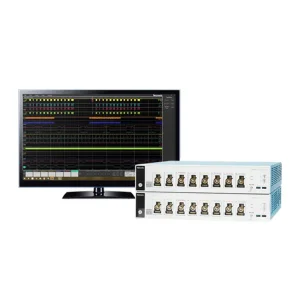
Industrial Substation Digital Rack Tester: Tektronix Low Profile MSO58LP

View Product Specifications
Tektronix TBS1000C

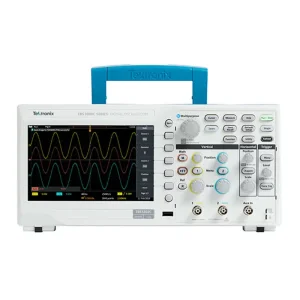
Muscat Testing Lab Standard: Tektronix TBS1000C Digital Storage Oscilloscope

View Product Specifications
Autonics BYS500

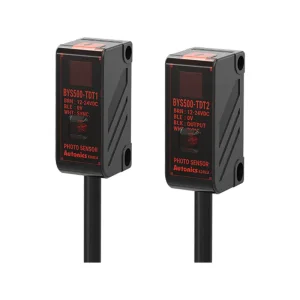
Battery Storage Rack Door Enclosure Guard: Autonics Photoelectric Sensor BYS500

View Product Specifications

Mitigating Battery Degradation in Oman's Arid Climates

High-performance battery arrays in Oman face some of the harshest conditions in the world. High ambient temperatures accelerate internal chemical reactions. According to the Arrhenius equation, the rate of chemical reactions doubles for every 10°C increase in temperature. For lead-acid and gel battery banks commonly used in substation backups, operating continuously at 40°C instead of the nominal 25°C cuts their service life in half.

This makes regular testing with advanced battery impedance and capacity analyzers essential. Without consistent data tracking, thermal runaway becomes a major risk. Thermal runaway happens when a battery's internal heat generation rate exceeds its heat dissipation capacity. This can lead to gas buildup, structural swelling, casing rupture, and fire hazards.

Selecting the Right Battery Diagnostics: Impedance vs. Conductance

Engineers in Muscat and Sohar often ask whether impedance or conductance measurements are better for monitoring battery health. Both methods provide insights into a battery's condition, but they are used in different scenarios:

  • Impedance Testing (AC Method): This approach applies an AC current of a known frequency through the battery and measures the resulting AC voltage drop. This is the preferred method for large telecommunications installations and oil refinery UPS systems. It provides detailed insight into internal resistance, helping detect weak cells early.
  • Conductance Testing (Dynamic Resistance): This method measures a battery's ability to conduct current by applying a series of load pulses. It is highly effective for starting, lighting, and ignition (SLI) batteries in fleet vehicles and industrial generator starter systems.

Compliance with Global Testing Standards

To maintain high reliability, engineering practices across Oman align with key standards from the Institute of Electrical and Electronics Engineers (IEEE) and the International Electrotechnical Commission (IEC):

  • IEEE 450: Recommended practice for maintenance, testing, and replacement of vented lead-acid batteries for stationary applications.
  • IEEE 1188: Recommended practice for maintenance, testing, and replacement of valve-regulated lead-acid (VRLA) batteries for stationary applications.
  • IEC 60896: General requirements and methods of test for stationary lead-acid battery units (both valve-regulated and vented types).

Expert Q&A: Battery Diagnostic Systems in Oman

Answers to common technical questions about maintaining, calibrating, and testing stationary battery banks in hot desert climates.

Q1: How often should stationary industrial battery banks be tested in Oman?
Due to Oman's high ambient temperatures, we recommend checking float voltage and ambient temperature monthly. Conduct dynamic internal impedance tests quarterly, and perform a full capacity discharge test every 1 to 2 years, depending on the age and criticality of the installation.
Q2: Can dynamic impedance analysis detect battery capacity loss?
Yes, dynamic impedance correlates directly with a battery's state of health (SoH). A significant increase in internal impedance—typically 20% to 25% above the baseline reference value—usually indicates that the battery has degraded and its capacity has dropped below 80% of its rated value, signaling it is time for a replacement.
Q3: How do Keysight or Tektronix oscilloscopes help verify battery system health?
High-precision oscilloscopes are used to measure charger ripple voltage and transient load responses on battery systems. Excessive AC ripple from a faulty charger can overheat batteries and accelerate grid corrosion, shortening their lifespan. High-bandwidth scopes help identify these transient anomalies.
Q4: What is the risk of using lead-acid batteries without temperature-compensated charging?
In hot climates like Oman's, charging a battery without temperature compensation leads to overcharging, excessive gassing, water loss, and potential thermal runaway. A temperature-compensated charger automatically lowers the charge voltage as temperatures rise, protecting the battery's service life.