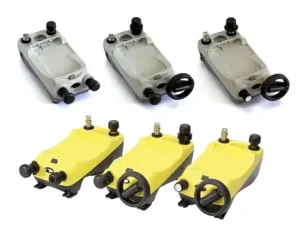
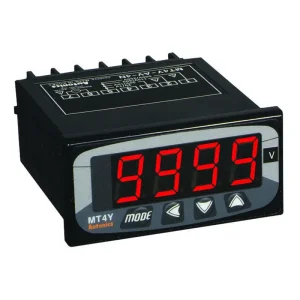
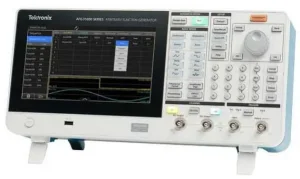
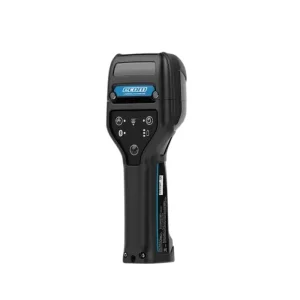
In modern global manufacturing and engineering sectors, verifying electrical characteristics with hyper-precise measurements is not merely an optional QA step; it is a critical safety and functional benchmark. As systems scale up to support high-voltage, high-current environments—specifically across renewable energy grids, electric vehicle drivetrains, and semiconductor fabs—the tolerances for electrical resistance testing have plummeted.
Electrical resistance testing serves as the diagnostic foundation for determining insulation health, conductive capacity, contact termination degradation, and overall pathway integrity. Advanced test instruments resolve measurement challenges ranging from low-ohm contacts (micro-ohms or nano-ohms) in busbars and switchgears to tera-ohm level parameters inside polymeric insulators. Our mission as a systems developer and instrumentation supply leader is to engineer high-accuracy, ruggedized systems to solve these measurement dynamics seamlessly.
Globally, electrical resistance testing has evolved into a key element of predictive maintenance and standard production workflows. Organizations like ASTM, IEC, and IEEE mandate rigorous insulation resistance (IR) and contact resistance testing procedures across all critical installations. Without highly targeted custom test fixtures, manufacturers risk critical faults, including localized heating, thermal runaway, and electrical fires.
In localized contexts, the requirements vary. In regions with dense manufacturing hubs (such as North America, Europe, and East Asia), integration with SCADA networks and automated line integration is a major priority. Alternatively, field servicing in resource-constrained extraction fields or harsh environments (such as offshore wind platforms) demands portable, battery-powered, high-ingress-protection (IP67) resistance instruments that deliver laboratory-grade data under harsh ambient noise conditions.
Machine-Win Technology Co., Ltd. is a professional and reliable international supply chain enterprise specializing in high-performance electrical testing, instrumentation calibration, industrial PC integration, and OEM/ODM engineering solutions.
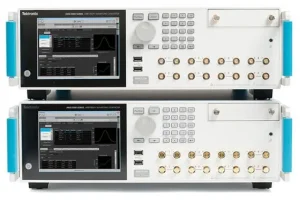
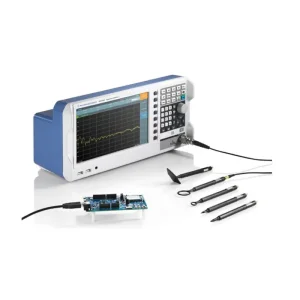
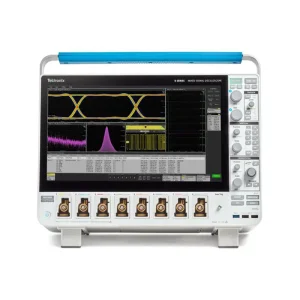
We offer leading instruments from top-tier global brands including KEYSIGHT, R&S, TEKTRONIX, KEITHLEY, RIGOL, NI, MEGGER, DRUCK, YOKOGAWA, and ITECH. From portable network testing analyzers to high-capacity resistance benchtop equipment, we ensure access to original instrumentation platforms.
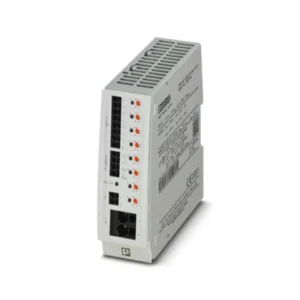
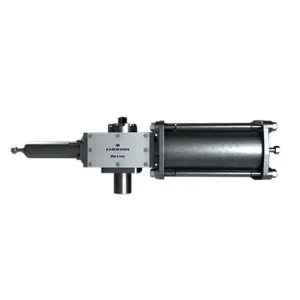
As strategic distribution partners for industrial giants like SIEMENS, SCHNEIDER, MITSUBISHI, PANASONIC, OMRON, DELTA, WEINTEK, EMERSON, and PHOENIX CONTACT, we deliver robust solutions integrating mechanical components, active spare parts, and custom PLC programs.
We customize system packaging, process assemblies, PC peripherals (adapters, battery matrices, chargers), and complex industrial tooling. Through our strategic global networks, we reduce transaction costs while ensuring traceability.
The electrical testing industry is moving toward automated, multi-channel, and wireless testing configurations. Below is an outline of the technical milestones shaping the future of resistance testing:
Using real-time infrared thermography data to correlate physical temperature spikes with micro-ohmic fluctuations under peak loads. This provides an active safety layer during high-current verification processes.
Deploying machine learning models to analyze subtle noise deviations in testing wave patterns. This helps predict mechanical terminal loosening or insulation degradation before a system failure occurs.
Developing ultra-low contact resistance test cycles capable of scanning complex modular lithium-ion structures at production-line speeds. This prevents micro-short circuits and ensures safety.
Receive end-to-end integration support, including hardware selection, setup calibration, automated programming, and regular validation cycles.
Get bespoke testing setups, interfaces, cabling, and custom protective housings designed to match your specific factory layouts and testing goals.
Every single component, instrument, or spare part sourced through our global logistics channels is guaranteed brand-new and fully original.
Integrating equipment, machines, and spare parts into one seamless service—your shortcut to business success.
The company provides a wide variety of top-tier brand instruments, including KEYSIGHT, R&S, etc., minimizing sourcing complexities.
We offer professional network testing solutions, which help customers test and analyze network performance, diagnose network problems, and ensure stable operation.
We have a professional, experienced, responsible, and reliable engineering and customer service team to support your engineering demands.
We supply brand-new, original industrial products, covering electronics, electricals, machinery spare parts, hardware, tools, and raw materials.
We leverage our resources to provide strategic sourcing services, helping customers find cost-effective suppliers, optimize the supply chain, and reduce costs.
Enjoy 24/7 customer service, rapid delivery workflows, and flexible logistics management designed to handle urgent requests.
 Machine-Win