High-reliability components deployed in complex industrial battery diagnostic networks, monitoring, and telemetry validation.
Moscow represents one of the largest municipal and industrial consumers of battery energy systems in Eastern Europe. The city's massive push towards public transit electrification—spearheaded by the rollout of electric buses (Mosgortrans)—along with grid modernization initiatives, has triggered an unprecedented demand for reliable, industrial-grade battery analyzers. These analyzers are not simple handheld meters; they are sophisticated electrochemical measurement arrays that evaluate the health, resistance, capacity, and thermal limits of high-voltage battery storage systems.
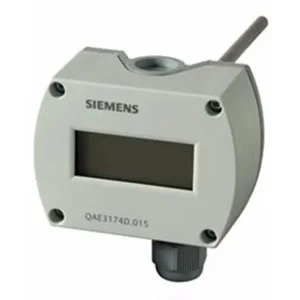
Moreover, Moscow’s extreme winter conditions present unique operational difficulties. Battery packs operating under sub-zero temperatures experience accelerated impedance growth, capacity degradation, and localized lithium plating. To mitigate these risks, municipal fleet operators and power utility stations utilize state-of-the-art battery analyzers capable of executing Electrochemical Impedance Spectroscopy (EIS) and transient load tests in real time, validating temperature sensor thresholds via modules like the Siemens QAE3174D.015.
Achieving peak battery longevity, functional safety compliance, and maximum system uptime.
Industrial battery systems are complex electrochemical devices where safety and performance depend heavily on ambient parameters, physical connections, and continuous quality checks. A reliable battery analyzer acts as the central interface for this diagnostics work. However, simple voltage checks are insufficient when dealing with heavy automation infrastructure or large-scale uninterruptible power supply (UPS) banks. Complete health analysis requires measuring AC internal resistance (AC-IR) to detect dynamic electrolyte changes, combined with DC internal resistance (DC-IR) to assess mechanical connector degradation and electrode deterioration under heavy electrical load.
AC-IR testing uses a 1 kHz sinusoidal current to measure the internal impedance of a cell. This method provides key indicators of the internal electrochemical interface without draining the battery. In contrast, DC-IR testing applies a high-current load pulse and measures the voltage drop over time, which directly reflects the cell's physical connections, current collector quality, and internal polarization losses. Selecting a battery analyzer that integrates both methods is essential for predicting sudden failures in utility installations.
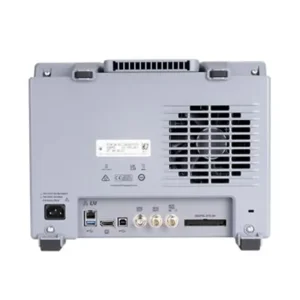
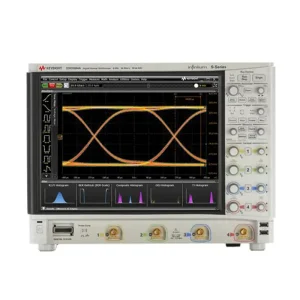
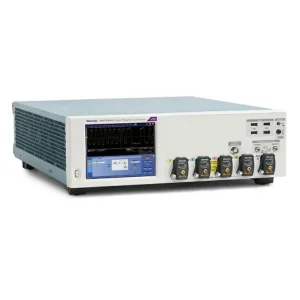
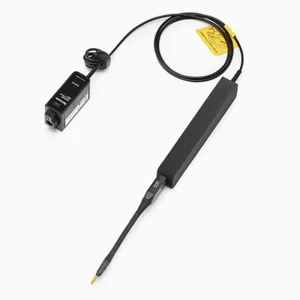
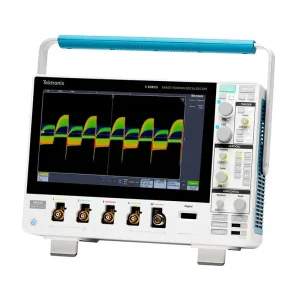
Advanced industrial operations often connect battery analyzers with external instrumentation. For high-speed transient testing and impedance analysis, engineers use high-bandwidth digital oscilloscopes, such as the *Keysight InfiniiVision HD3* or *Tektronix MSO Series*, paired with specialized current probes. These instruments capture sub-millisecond voltage dips during switch-on pulses, helping identify micro-shortages inside battery packs before they lead to thermal runaway.
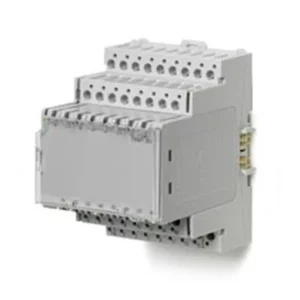
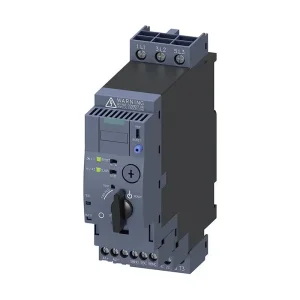
Additionally, digital input modules (like the Siemens TXM1.8D) relay battery cabinet alarm signals, breaker configurations, and cooling system status directly to the central PLC or SCADA system. This integration links battery analysis data directly with the facility's overall automation control system.
As battery technology evolves, sourcing specialized equipment requires balancing high performance with budget constraints. Chinese factories have built a complete, highly integrated supply chain for battery testing technology. Our strategic manufacturing partnerships offer several key advantages:
Bridging Chinese manufacturing agility with premium global instrumentation brands to keep your systems running smoothly.
We source, configure, and calibrate genuine brand instruments from top-tier labels, including Siemens, Keysight, Tektronix, Autonics, and more.
Our engineers design integrated testing setups, pairing digital sensors and multi-channel input modules with diagnostic interfaces for clean installation.
We supply custom wiring, robust rack-mount enclosures, and specialized battery management systems matching precise testing profiles.
Genuine high-performance oscilloscopes, safety systems, and sensor nodes deployed in battery analytical setups.
Expert answers addressing the practical deployment, calibration, and integration of industrial battery testing instruments.
Sub-zero conditions alter battery chemical kinetics, causing a drop in nominal capacity and a rise in internal impedance. Testing instruments must use precise thermal compensation algorithms. High-quality analyzers use external immersion sensors (like the Siemens QAE3174D) to measure the temperature of the electrolyte, adjusting the state-of-health (SoH) profiles accordingly. Without these adjustments, low temperatures can trigger false warning signals during routine diagnostic checks.
Digital input modules, such as the Siemens TXM1.8D, serve as physical interfaces between the battery cabinet sensors and the central automation network. They convert signals from breaker switches, gas detectors, and isolation monitors into digital data. This lets the central PLC monitor cabinet safety and system alarms, enabling quick shutdowns in case of fault conditions.
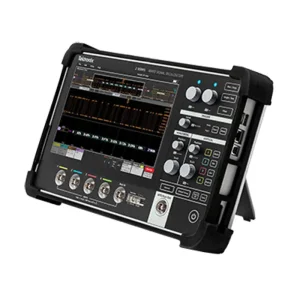
While basic battery meters measure steady-state values, high-bandwidth oscilloscopes (like Keysight and Tektronix MSO units) track transient signals. They record voltage drops, high-frequency ripples from charging circuits, and sub-millisecond noise. Analyzing these micro-transients helps engineers identify connection issues, dynamic impedance shifts, and insulation breakdown under load.
Yes. Through our technical engineering services and OEM/ODM partnerships, we design and build complete diagnostic systems. We integrate industrial controllers, high-precision electronic loads, and safety systems into custom cabinet assemblies, providing clean data streams directly to client monitoring networks.
Contact our technical engineering team for custom configurations, equipment quotes, and deployment support for battery diagnostic networks.
Send Inquiry Now Machine-Win