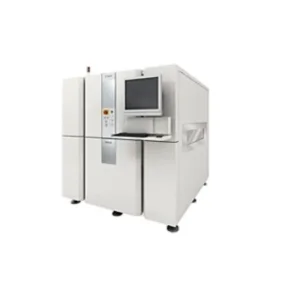
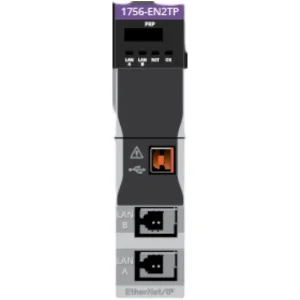
Explore our curated selection of high-precision instruments, automation devices, and power system components from global leading manufacturers.
Machine-Win Technology Co., Ltd. is a professional and reliable international supply chain company specialized in delivering high-capacity industrial power systems, electronic instrumentation, and network testing solutions. With extensive field experience and a global network of partners, we specialize in supplying original, brand-new industrial equipment and custom OEM/ODM services tailored to complex operational demands.
Whether you require state-of-the-art power testing instrumentation, premium process controllers, or bulk custom inverter power supply manufacturing, our team bridges the gap between engineering needs and reliable distribution.
Connect With Our Engineering Team
We streamline industrial supply chains by offering a comprehensive suite of hardware, calibration, and support services.
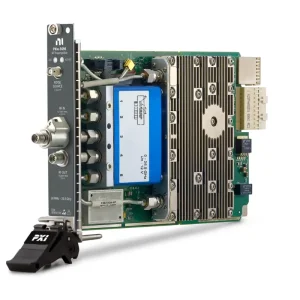
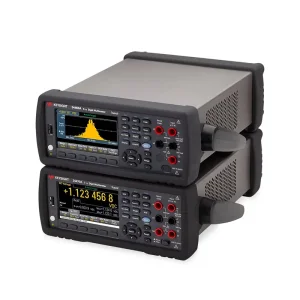
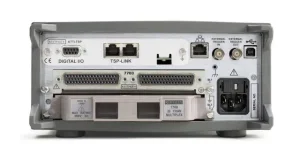
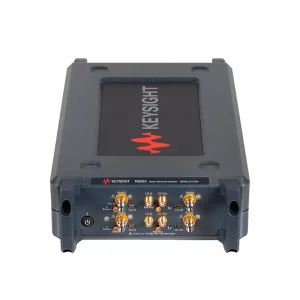
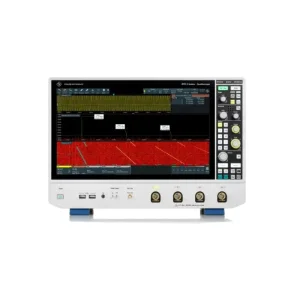
We supply top-tier international testing brands including KEYSIGHT, R&S, TEKTRONIX, KEITHLEY, RIGOL, NI, MEGGER, DRUCK, YOKOGAWA, and ITECH. From sales and repair to certified calibration, we cover oscilloscopes, network analyzers, thermal imagers, and power quality meters.
We provide advanced diagnostic architectures for corporate networks, telecom backbones, and smart grids. Diagnose cable integrity, optical fiber attenuation, and signal distortion to maintain a clean transmission environment.
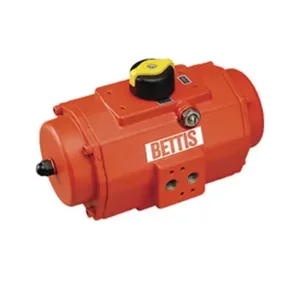
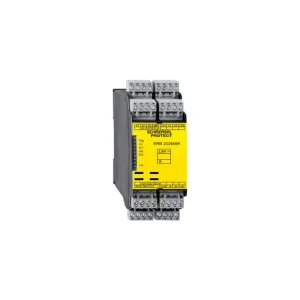
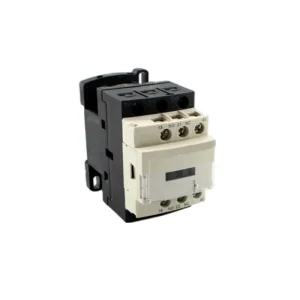
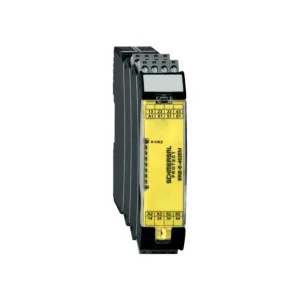
Strategic logistics partnership for leading automation platforms like MITSUBISHI, SIEMENS, SCHNEIDER, PANASONIC, OMRON, DELTA, WEINTEK, EMERSON, and EATON. We distribute original PLCs, VFDs, switches, actuators, and raw materials.
We provide tailored manufacturing for critical auxiliary components. This includes advanced battery architectures, charger modules, custom adapter boards, and workshop assembly accessories (like POF shrink films), backed by stringent quality control protocols.
Our global supplier network allows us to bypass regional inventory bottlenecks. We focus on transparent communication, verified origin documentation, and full compliance handling to keep your production runs running on schedule.
Industrial emergencies demand prompt support. We offer around-the-clock technical consultations and rapid shipping routes to manage unexpected hardware faults, minimized downtime, and urgent maintenance cycles.
The global inverter power supply sector is undergoing a technology transition driven by the demands of renewable integration, digital control, and new semiconductor materials. As a reliable partner in this space, we track these critical parameters to ensure our systems deliver optimal efficiency.
| Technology Focus | Legacy Architectures | Next-Generation Standards | Operational Impact |
|---|---|---|---|
| Semiconductor Base | Silicon (Si) IGBTs | Silicon Carbide (SiC) & Gallium Nitride (GaN) | Reduces switching losses by up to 50% and improves heat dissipation. |
| Control Systems | Analog Control Loops | High-Speed DSP & ARM Cortex Architectures | Real-time adjustment of output waveforms with dynamic load variation. |
| Communication | Modbus RTU / Basic Serial | EtherCAT, CANopen, IoT & Cloud Telemetry | Enables predictive maintenance and integration into automated energy grids. |
| Cooling Technology | Forced Air Cooling | Liquid Cooling & Intelligent Phase-Change Heatsinks | Reduces system footprint and extends the operating lifespan of key capacitors. |
By incorporating wide-bandgap semiconductors (SiC and GaN), modern inverter power supplies can achieve conversion efficiencies exceeding 98.5%. These materials also allow the systems to operate at higher switching frequencies, which reduces the required physical size of magnetic components like inductors and transformers. For enterprise procurement managers, this translates to compact system integration, lower thermal control costs, and improved long-term reliability.
Enterprise procurement of inverter power supplies requires a balance of electrical performance, regulatory compliance, and cost predictability. Our sourcing model addresses these operational priorities:
Evaluation of Total Harmonic Distortion (THD < 3%) and transient response under step-load changes.
Documentation matching with CE, UL 1741, IEEE 1547, and relevant IEC standards for grid connection.
Thermal runaway testing, burn-in validation under full load, and isolation impedance verification.
Tailoring power conversion technologies to meet the performance and environment requirements of specific sectors.
Grid-forming and grid-following inverters facilitate the integration of solar arrays and battery energy storage systems (BESS). These units support grid stability with active and reactive power control, low-voltage ride-through (LVRT), and frequency response capabilities.
Reliable communication networks require continuous clean power. Our 48V/110V/220V DC-to-AC pure sine wave inverters prevent noise insertion, protect high-density server configurations, and switch to backup power with zero millisecond transfer latency.
Industrial settings pose challenges like dust, humidity, and high electrical noise. We distribute heavy-duty, cabinet-enclosed inverters designed to drive heavy motor loads, handle high-inductance equipment startups, and operate in harsh conditions.
Power electronics development is focused on improving power density, building smarter control systems, and enhancing environmental durability. As these technologies mature, we continue to update our product lines and sourcing standards.
Future systems will use edge computing to monitor components like capacitors and IGBT gates in real time. These onboard diagnostics can predict failures and schedule maintenance before a system goes offline.
As vehicle-to-grid (V2G) and microgrid designs expand, inverters must support bidirectional energy routing. This allows localized power networks to exchange energy dynamically based on demand.
High-frequency magnetic isolation techniques are replacing bulky traditional low-frequency transformers. This reduces system weight and footprint while maintaining safety and electrical protection.
International safety and performance standards are necessary to ensure equipment safety and grid compatibility. Every inverter and power system we supply complies with relevant international frameworks:
Our systems meet or exceed international standards, including: UL 1741 (Inverters, Converters, and Controllers for Interconnection), IEC 62109-1 / -2 (Safety of Power Converters in Photovoltaic Systems), EN 50178 (Electronic Equipment for Use in Power Installations), and IEEE 519 (Limits on Harmonic Distortion). This compliance ensures safety, reliability, and smooth integration into municipal power grids.
We verify product performance and reliability through a multi-stage validation process before shipment:
Answers to common technical and sourcing questions regarding our inverter power supply systems.
Browse additional specialized machinery spare parts, instrumentation, and control valves from our global distribution lines.
 Machine-Win