High-performance solutions engineered for accurate electrical isolation diagnostics, signal control, and infrastructure monitoring.
Insight into how modernization, safety regulations, and smart systems drive high-voltage testing standards globally.
In modern industrial operations, electrical systems serve as the critical foundation. However, the integrity of these systems relies heavily on insulation quality. Over time, factors such as thermal stress, chemical exposure, mechanical vibration, and environmental moisture degrade insulation barriers. As a result, this degradation increases the risk of catastrophic system failures, fires, and safety hazards. Consequently, industrial facilities rely on electronic insulation testers to monitor system integrity and prevent unexpected outages.
Historically, the electronic insulation testing market was dominated by Western manufacturers. Today, however, China has transitioned from a high-volume manufacturing center to an innovation hub for advanced electrical diagnostics. Chinese manufacturers now produce sophisticated testing equipment that complies with international safety standards, including IEC 61010-1 (CAT IV 600V) and IEEE 43-2013 guidelines. By leveraging robust domestic supply chains, integrated DSP (Digital Signal Processing) engineering, and advanced manufacturing setups, Chinese exporters deliver high-precision, noise-resistant insulation testers that perform reliably in demanding, high-electromagnetic environments.
Renewable energy generation, high-voltage direct current (HVDC) transmission lines, and smart substations require continuous, high-voltage insulation testing to ensure operational stability.
Asset managers are moving away from reactive repairs. Instead, they use diagnostic parameters like Polarization Index (PI) and Dielectric Absorption Ratio (DAR) to identify early insulation failures.
Regulatory bodies such as OSHA and the European Union enforce strict guidelines for electrical safety, requiring documented periodic isolation checks on industrial equipment.
Today’s advanced electronic insulation testing involves more than simple megohmmeter measurements. Modern diagnostics require multi-voltage testing, step-voltage tests, ramp tests, and discharge assessments. This variety helps engineers identify specific insulation problems, such as surface moisture, mechanical cracks, or internal voids. Consequently, modern devices feature advanced noise rejection, high short-circuit currents, and wireless connectivity. These capabilities enable field teams to collect accurate data and upload results directly to cloud-based asset management platforms.
A reliable international supply chain and strategic sourcing partner specialized in global instrumentation and industrial automation.
Machine-Win Technology Co., Ltd. is a professional and reliable international supply chain company, specialized in providing a wide range of products for various industries. With extensive experience and a global network of suppliers, we excel in delivering high-quality products and satisfactory services. Our commitment to excellence, reliability, and customer satisfaction sets us apart as a preferred partner in the field of international trade.
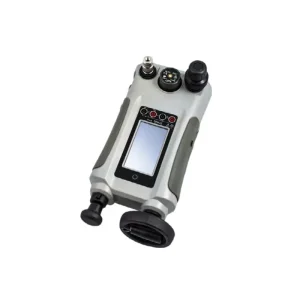
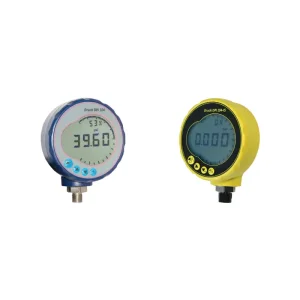
We act as a one-stop partner for instrument sales, repair, and calibration, as well as network testing solutions. Our technical team works alongside global leaders to supply, repair, and support systems from world-renowned brands, including KEYSIGHT, R&S, TEKTRONIX, KEITHLEY, RIGOL, NI, MEGGER, DRUCK, YOKOGAWA, and ITECH. This extensive capability covers a wide range of instruments, including cable testers, fiber optic testers, network analyzers, power quality meters, infrared thermometers, thermal imagers, multimeters, clamp meters, process calibrators, resistance testers, environmental detectors, laser rangefinders, vibration meters, and oscilloscopes.
We provide comprehensive, end-to-end instrument services, including equipment sales, precision calibration traceable to national standards, and hardware repairs.
We reduce administrative overhead through comprehensive sourcing support, guaranteed genuine products, verified calibration certificates, and transparent technical assistance.
Our experienced team leverage extensive industry contacts and technical expertise to deliver reliable procurement support and quality assurance.
Optimizing procurement lifecycles and component sourcing for complex automated manufacturing lines.
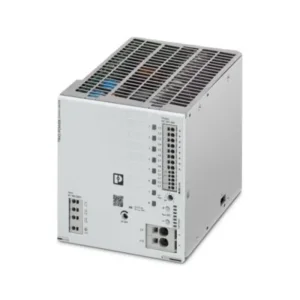
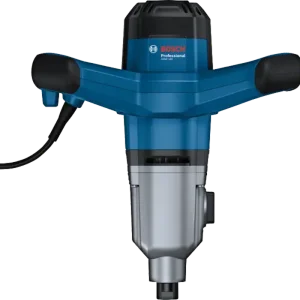
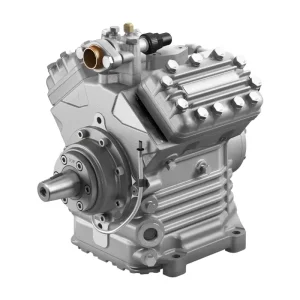
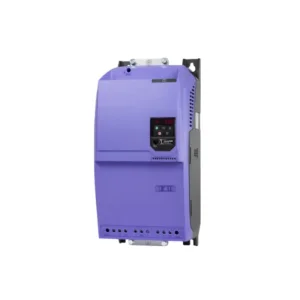
In addition to test and measurement equipment, Machine-Win provides strategic support for original industrial brands in electronics, electricals, machinery spare parts, hardware tools, and raw materials. Our portfolio includes trusted global brands such as MITSUBISHI, SIEMENS, SCHNEIDER, PANASONIC, OMRON, DELTA, WEINTEK, EMERSON, EATON, and PHOENIX CONTACT. This wide range enables us to deliver comprehensive solutions tailored to the needs of modern automated factories.
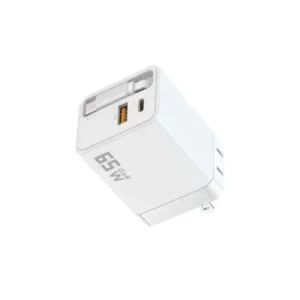
Furthermore, we offer tailored OEM/ODM solutions across multiple sectors, including computing and IT accessories (batteries, adapters, chargers, keyboards, mice, speakers, and headphones), POF shrink film packaging materials, and custom assembly line components. By managing these complex logistics and sourcing tasks, we help our clients optimize their supply chains, reduce procurement costs, and improve operational efficiency.
Access high-end test instruments from top brands like Keysight, Rohde & Schwarz, and Megger, managed through a single point of contact.
Deploy professional diagnostic systems to analyze throughput, locate physical faults, and maintain industrial network stability.
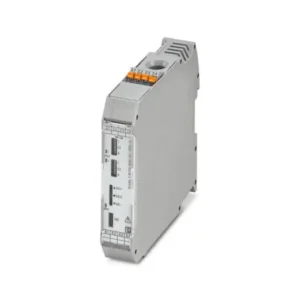
Source authentic electrical, mechanical, and safety components, from PLC processors to high-voltage interrupters.
Optimize your supply chain with our global trade networks, strict quality control protocols, and rapid order execution.
Exploring the technological transitions shaping the future of high-voltage testing and safety diagnostics.
The insulation testing industry is evolving rapidly. Equipment is moving from traditional analog hand-cranked megohmmeters to intelligent, digital diagnostic systems. Today, we are seeing the integration of automated measurement sequences, real-time wave analysis, and advanced noise filtration. These features allow operators to conduct diagnostic procedures in challenging high-voltage environments, such as active substations and industrial facilities.
One major technological trend is the inclusion of real-time temperature correction. Because insulation resistance drops exponentially as temperature increases, raw insulation values can be misleading without proper normalization. Modern digital testers use integrated thermal sensors or allow manual temperature input to automatically calculate normalized resistance values. This capability enables consistent historical comparisons and helps identify long-term degradation trends.
To accurately assess insulation health, modern industrial operations rely on four main diagnostic test methods:
How high-voltage diagnostic tools protect infrastructure, ensure uptime, and maintain electrical safety.
We provide high-voltage testing solutions designed to verify EV battery pack insulation and isolate motor drive systems, helping prevent dangerous electrical failures in battery assemblies.
Wind turbine generators and solar inverters operate in challenging environments with high moisture and temperature fluctuations. Our diagnostics help identify wind winding degradation and cable stress.
Preventative testing on large-scale transformers, switchgear, and high-voltage underground cables is essential to verify utility safety, prevent blackouts, and reduce maintenance costs.
Answers to common operational questions regarding high-voltage insulation testing and industry standards.
High-reliability parts and accessories sourced globally to optimize automation lines and electronic assemblies.
 Machine-Win