Best Sound And Vibration Manufacturer & Supplier

Precision Electro-Acoustic Technologies, Diagnostic Instrumentation & Industrial Calibration Sourcing

Who We Are

Machine-Win Technology Co., Ltd. is an industry-leading, professional international supply chain operator and engineering service enterprise. We specialize in providing a versatile catalog of precision instrumentation, electronics, mechanical spare parts, and bespoke OEM/ODM manufacturing integrations for heavy industries, metrology calibration facilities, and high-tech R&D units globally.

Leveraging deep industrial partnerships and a robust global procurement matrix, we excel at delivering guaranteed original, high-reliability equipment. Our engineering expertise spans acoustic testing, structural vibration evaluation, wireless automation networks, and custom component design. We connect quality manufacturers with critical applications, ensuring rigorous project outcomes.
Connect With Sourcing Specialists

Machine-Win Technology Engineering Sourcing Center

One-Stop Sourcing Ecosystem & Tier-1 Partnerships

Eliminating technical friction through direct access to verified instrumentation and industrial automation systems.

Metrology & Network Diagnostics

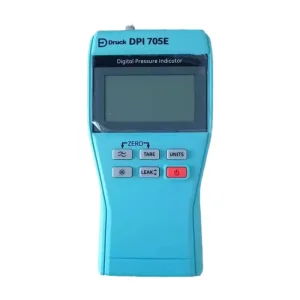
We supply, repair, and calibrate top-tier brands including KEYSIGHT, R&S, TEKTRONIX, KEITHLEY, RIGOL, NI, MEGGER, DRUCK, YOKOGAWA, and ITECH. Our instrumentation supply catalog features optical time-domain reflectometers (OTDR), cable analyzers, network analyzers, precision thermal imagers, calibrators, signal analyzers, sound level meters, and structural vibration transducers.

Industrial Components & Spare Parts

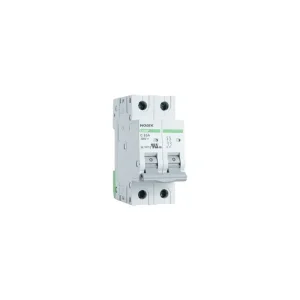
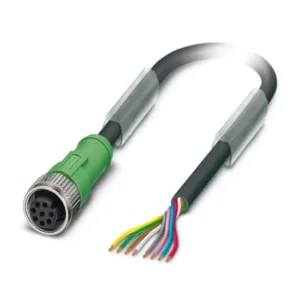
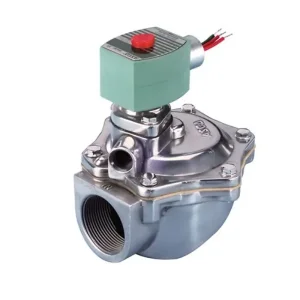
A strategic pipeline for 100% brand-new, original electronic and pneumatic components from global leaders such as MITSUBISHI, SIEMENS, SCHNEIDER, PANASONIC, OMRON, DELTA, WEINTEK, EMERSON, EATON, and PHOENIX CONTACT. Ensure absolute reliability with certified electrical arrays and field bus configurations.

OEM/ODM & Sourcing Turnkey

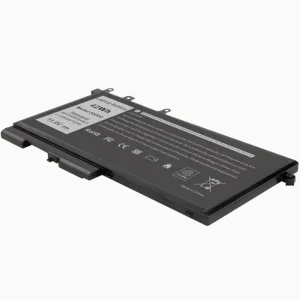
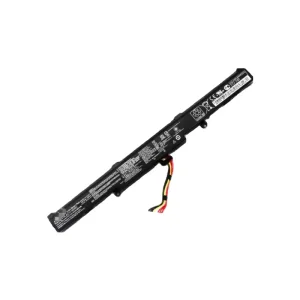
Tailored manufacturing setups for consumer electronics accessories, ruggedized lithium-ion battery configurations, custom acoustic components, and structural plastics (POF shrink packaging solutions, assembly line setup, and specialized components). Accelerate time-to-market while reducing operational costs.

Advanced Industrial Whitepaper: Engineering Sound & Vibration Control Systems

Understanding modern electro-acoustics, dynamic signal analysis, and structural vibration monitoring methodologies for mission-critical applications.

1. The Evolution of Dynamic Signal Acquisition and Modal Testing

In modern industrial applications, dynamic signal analysis in the fields of acoustics (sound) and mechanics (vibration) has shifted from passive troubleshooting to real-time diagnostic systems. Whether examining structural dynamics in high-speed rail development, evaluating noise, vibration, and harshness (NVH) profiles in automotive chassis, or assessing turbine integrity in wind farms, high-resolution sensing is essential.

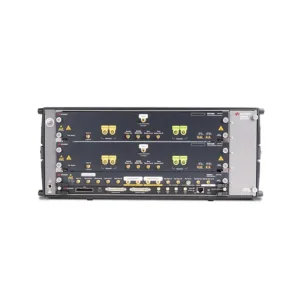
Precise data collection requires a coordinated integration of high-bandwidth sensors (such as IEPE accelerometers, surface-mount microphones, and contactless laser vibrometers), rugged cabling interfaces, and high-performance digitizers. Instrument platforms like the Keysight 500 MHz Oscilloscope M9242A PXIe enable engineering teams to analyze transient dynamic signals with exceptional vertical resolution. High-speed signal acquisition combined with advanced digital filtering helps minimize harmonic distortion, allowing engineers to isolate micro-vibration phenomena that could indicate early-stage structural fatigue.

2. Macro Solutions: Deploying Sound and Vibration Systems Across Key Verticals

Dynamic signal monitoring is critical across a range of high-performance industries:

  • Automotive NVH: Using multi-channel arrays to capture drivetrain whine, tire-pavement noise, and cabin acoustic resonances. These systems rely on calibrated microphones and multi-axial vibration sensors to optimize cabin comfort.
  • Aerospace Structures: Executing ground vibration tests (GVT) using high-density modal analysis setups. Dynamic testing ensures that wings, control surfaces, and fuselages are free from aerodynamic flutter throughout their flight envelopes.
  • Heavy Machinery & Rotating Equipment: Integrating continuous vibration indicators to identify misalignment, rotor unbalance, and bearing wear before catastrophic mechanical failures occur.

3. The Strategic Advantages of Advanced Chinese Instrument Sourcing

China's industrial sound and vibration ecosystem has transformed from basic component assembly to high-precision engineering and integration services. Sourcing acoustic equipment and calibration instruments from China offers several key advantages:

Integrated Supply Chains
Sourcing raw sensor crystals, metal alloy housings, and high-speed processors within close geographic proximity reduces lead times and logistics costs.
Strict Calibration Standards
Advanced manufacturers maintain traceabilities with major national metrology structures and adhere closely to international standards like ISO/IEC 17025.
Flexible Engineering & OEM/ODM
Our engineering pipelines offer rapid mechanical modifications, custom layout designs, and optimized battery solutions for portable monitoring gear.

By leveraging these integrated resources, Machine-Win Technology Co., Ltd. delivers customized industrial instruments that bridge advanced specifications with highly competitive pricing structures.

4. Future Trends in Sound & Vibration Metrology

The industry is rapidly shifting toward smart, distributed monitoring technologies. Three major trends are redefining acoustic and mechanical diagnostics:

  1. IoT-Enabled Edge Diagnostics: Modern vibration transmitters are adopting wireless connectivity standards to run onboard FFT (Fast Fourier Transform) calculations, transmitting processed spectral data instead of raw, high-bandwidth time waveforms.
  2. Micro-Electro-Mechanical Systems (MEMS): Digital MEMS accelerometers are approaching the noise floor limits of traditional piezoelectric designs. This development allows engineers to deploy dense arrays of low-cost, ultra-lightweight sensors for modal analysis without mass-loading the test structure.
  3. AI and Predictive Machine Learning: Integrating predictive models directly into vibration analysis systems helps classify anomalies (such as inner ring bearing cracks or gear misalignment) automatically, shifting maintenance programs from preventive schedules to condition-based actions.

Why Global Procurement Managers Partner with Machine-Win

Decades of international trade experience combined with deep technical support capabilities.

100%
Genuine Products Guarantee
24/7
Engineering Support Response
50+
Tier-1 Brands Supported
98.7%
On-Time Delivery Rate
Turnkey Metrology Solutions
A comprehensive, single-source solution for procurement, repairs, and calibration certificates across major testing equipment brands.
Deep Sourcing Sourcing Expertise
Leverage our extensive supply chain network to find hard-to-source components, obsolete equipment replacements, and optimize your procurement budget.
Proactive Technical Support
Our dedicated application engineering team review system configurations, ensuring accessories, power interfaces, and software options match project requirements.

Sound and Vibration Metrology FAQ

Answers to key technical questions from metrology specialists, procurement officers, and acoustic test engineers.

How do standard calibration cycles protect sensor linearity in dynamic environments?
Sound level meters, laboratory microphones, and acceleration transducers exhibit sensitivity drift over time due to temperature fluctuations, mechanical shock, and aging. Calibrating instruments regularly using dynamic sound level calibrators and shake tables ensures traceability with national metrology institutes. This maintains calibration accuracy across both low-frequency and high-frequency operating ranges.
What is the advantage of using modular PXIe oscilloscopes for acoustic modal testing?
Modular digitizers (like the Keysight M9242A PXIe) offer high channel density, precise phase synchronization across modules, and high data transfer rates back to the processor. This structure prevents inter-channel phase discrepancies, which is critical for accurate modal vector calculations, structural dynamic testing, and multi-microphone sound source localization.
How do custom OEM/ODM lithium-ion battery configurations support portable diagnostics?
Field testing equipment relies on stable, low-noise power supplies. Custom battery solutions provide matched voltage output curves with minimal electromagnetic interference (EMI), ensuring internal digital-to-analog converters and measurement preamplifiers run cleanly. This is essential for maintaining a low measurement noise floor during remote field diagnostic tests.
Can you source obsolete or highly specialized electronic and pneumatic replacement components?
Yes. Leveraging our global trade connections, we specialize in sourcing original components from major manufacturers (including Yaskawa, Siemens, Emerson ASCO, and Phoenix Contact). This service helps engineers maintain and upgrade legacy test fixtures and automation systems without requiring complete redesigns.