In modern electrical systems, the grounding grid is the bedrock of utility reliability, data integrity, and personnel safety. Ground earthing testing (also known as earth ground impedance measurement) is not merely a compliance task; it is a critical process required to prevent equipment damage, grid failure, and electrocution hazards in utility stations, telecommunication hubs, and heavy manufacturing units.
Today, as global grids transition toward high-density renewable sources (solar photovoltaic, wind systems) and hyper-scale data storage facilities, the complexity of grounding systems has grown. Factors like variable soil resistivity, high-frequency surge transients, and ambient electromagnetic interference necessitate precision diagnostic instrumentation. A weak ground connection can result in microsecond transients that cripple sensitive silicon circuitry, resulting in costly industrial downtime.
Global standards such as IEEE Standard 81, IEC 60364-6, and BS 7430 strictly mandate specific thresholds for earth electrode resistance. Modern instrumentation must support multiple testing topologies, including Fall-of-Potential, Clamp-on Selective testing, and Wenner Soil Resistivity configuration.
China's electronics manufacturing ecosystem features vertical integration, where raw component fabricators, circuit assembly facilities, and final calibration laboratories sit within the same industrial cluster. This reduces structural lead times from several months to a few weeks, allowing fast development for OEM/ODM configurations.
Top Chinese manufacturers partner with global testing networks to pre-calibrate systems. By offering products built with premium components like those from NI, Keysight, and Megger, local exporters can match international calibration expectations under CNAS and NIST frameworks at lower baseline costs.
Export hubs in China provide well-developed shipping infrastructures. Exporters utilize specialized shipping partnerships to manage complex lithium battery rules for handheld diagnostic testers, ensuring problem-free custom clearance and direct-to-site delivery anywhere globally.
Data centers require earth resistance levels below 1 Ohm to protect high-density server racks. In these environments, stakeless clamp-on testing is used to avoid disconnecting electrodes, keeping the site online while technicians screen for loop resistance anomalies.
Utility substations utilize massive grounding grids designed to handle fault currents up to several kiloamperes. Testing here requires high-current injection methods (using instrumentation from Megger or Keysight) to determine grid impedance and measure touch/step potentials during active grid operations.
Renewable projects are often situated in remote, dry locations with poor soil conductivity. Technicians use Wenner four-pole testing to map soil resistivity profile levels, allowing engineers to design deep-well grounding systems or use earth enhancement compounds effectively.
Machine-Win Technology Co., Ltd. is a professional and reliable international supply chain company specialized in providing a wide range of products for various industries. With extensive experience and a global network of suppliers, we excel in delivering high-quality products and satisfactory services. Our commitment to excellence, reliability, and customer satisfaction sets us apart as a preferred partner in the field of international trade.
We are your strategic ally for brand-new, original industrial brands on electronics, electricals, machinery spare parts, hardware and tools, and raw materials, featuring trusted brands including MITSUBISHI, SIEMENS, SCHNEIDER, PANASONIC, OMRON, DELTA, WEINTEK, EMERSON, EATON, PHOENIX CONTACT, and more, delivering comprehensive solutions for your industrial needs.
Integrating equipment, machines, and spare parts into one seamless service—your shortcut to business success.
Traditional DC or low-frequency AC earth measurements often miss the high-frequency grounding impedance changes caused by lightning strikes. Modern system trends focus on multi-frequency testing instruments that can simulate transient frequencies up to several megahertz. This allows engineers to understand how a grounding system behaves when discharging sudden impulse events.
Rather than relying purely on annual checkups, industrial facilities are installing permanent, cloud-connected ground testing devices. These systems monitor earth loop impedance in real-time, sending alerts to maintenance teams when values shift due to dry seasons or corroded cables. This changes ground safety from a reactive check to a predictive maintenance system.
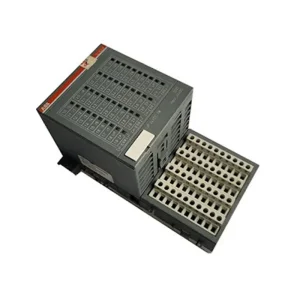
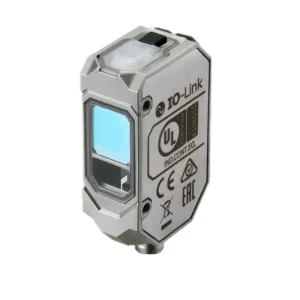
Modern substations rely on precise sync protocols to manage distributed generation. Earth testers must interface cleanly with digital telemetry units and protocols (like PNIO or Beckhoff ASI networks). Using high-grade digital bus adapters (such as the OMRON E3AS-HL or ABB CI501 modules) allows developers to connect sensor arrays directly to grid management systems, minimizing potential measurement errors.
Machine-Win Technology Co., Ltd. provides customized diagnostic tool combinations, specific brand calibration parameters, and direct factory-to-site supply. Contact our logistics and support desks for a customized technical bid.
Contact Supply Team
 Machine-Win