 Machine-Win
1. Industrial Context of Pulse Wave Generation Technologies
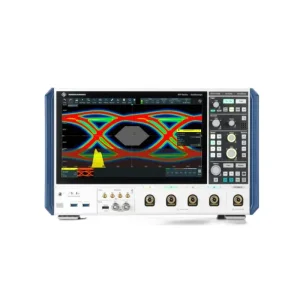
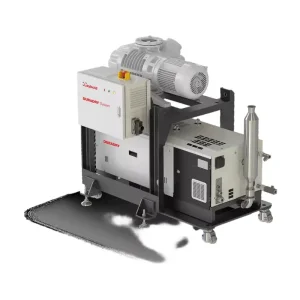
In modern high-speed test environments, metrology laboratories, and precision manufacturing systems, the pulse wave generator serves as a foundational instrument. Structurally, a pulse wave generator synthesizes precise electrical or mechanical impulses with customizable metrics including rise/fall times, duty cycle, amplitude, and jitter. While electronic variants drive signal integrity testing in gigabit communications, physical counterparts—such as pneumatic and hydraulic pulse generators—are crucial in industrial automation, process calibration, and high-pressure system qualification.
Global operations rely on these instruments to emulate real-world environments. For example, in automotive electronics, high-speed microprocessors must withstand extreme transient voltages. By generating custom electro-magnetic pulses (EMPs), test engineers evaluate the robustness of onboard Advanced Driver Assistance Systems (ADAS). Similarly, in fluid dynamics and control system calibration, physical pulse waves test the transient response limits of pressure transducers, process control loops, and solenoid valves under abrupt pressure changes.
Electronic Metrology
Provides sub-nanosecond electrical pulses to verify signal path integrity, latency, and attenuation in high-speed digital networks and semiconductor modules.
Pressure Calibration
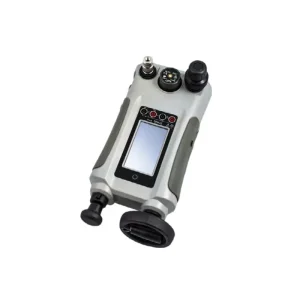
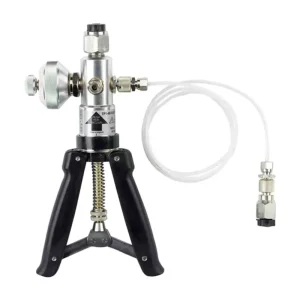
Pneumatic and hydraulic pulse generation, emulated by calibrators like the Druck PV211, permits secure, controlled threshold validation of process equipment.
Electromagnetic Solenoids
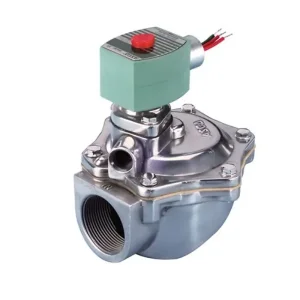
High-frequency valve switching control, optimized by components like Emerson ASCO pulse valves, to handle particulate filtration and physical pulse cleaning.
Technical Architectures: DDS vs. Analog Synthesizers
Engineers evaluate pulse generators based on how they synthesize signals. Direct Digital Synthesis (DDS) utilizes high-performance Digital-to-Analog Converters (DACs) to construct waveforms cycle-by-cycle. This ensures stability, ultra-low frequency drift, and versatile phase customization. Conversely, traditional analog architectures excel in generating ultra-short rise times with minimal phase noise, though they offer less flexibility. The table below highlights key parameters across these technologies:
- Direct Digital Synthesis (DDS): Best for multi-channel phase alignment, arbitrary waveform definition, and complex modulation protocols.
- Analog Pulse Synthesizers: Preferred for ultra-clean RF test signals, high-voltage fast transient generation, and high-frequency clock distribution.
- Pneumatic/Mechanical Pulse Networks: Applied to calibrate physical process sensors, relying on mechanical displacement or solenoid control loops to achieve precise pressure pulses.