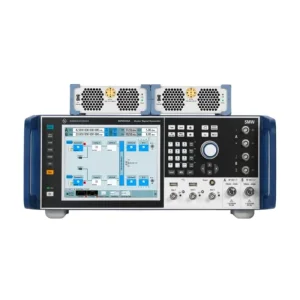
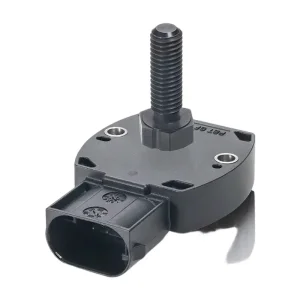
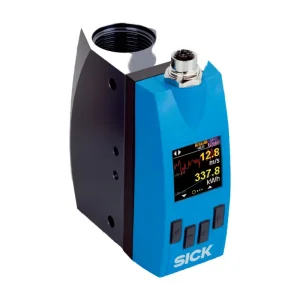
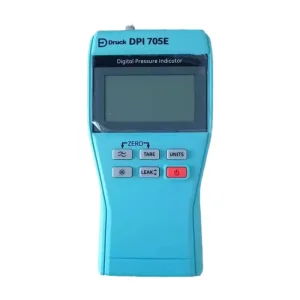
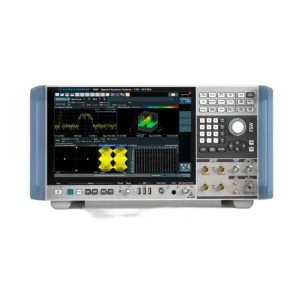
High-reliability diagnostic instruments and control switches curated for international testing standards
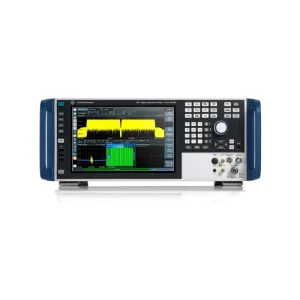
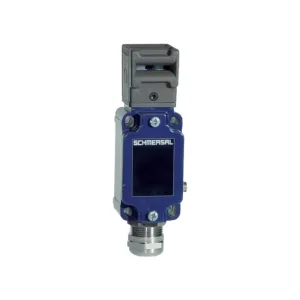
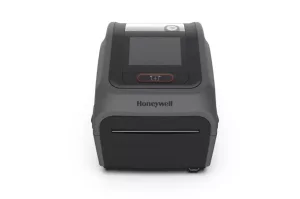
Your Trusted Strategic Ally in Industrial Quality, Safety Testing, & Supply Chain Solutions
How we bridge the gap between complex engineering needs and global distribution efficiency
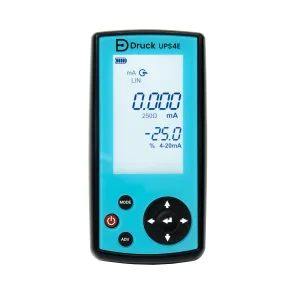
We provide full-lifecycle instrument sales, expert repairs, and certified calibration. Our partnerships cover premium brands (Keysight, R&S, Yokogawa, Megger, Druck) ensuring that your testers maintain precise accuracy for compliance audits.
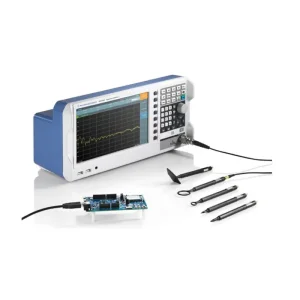
Our professional network testing and signal analysis services empower plant operators to diagnose performance degradations, maintain low impedance structures, and safeguard industrial communications channels from EMI.
Leveraging deep supply chains in China, we source hard-to-find components across automation brands (Schneider, Omron, Delta, Siemens). We offer tailoring of OEM/ODM industrial hardware to decrease cost and increase efficiency.
A Professional Engineering Whitepaper on Safety, Materials, Compliance, and Supply Chain Strategy
In modern industrial manufacturing and power electronics, Ground Bond (GB) testing—commonly referred to as Earth Bond verification—is a critical safety process. Designed to verify that the ground path of an electrical device can safely handle excess fault current without posing shock hazards or causing system failures, Ground Bond testing is heavily mandated by international safety standards, including IEC 60335, UL 60950, IEC 61010, and UL 60601. As a premier partner for high-precision components and testing instrumentation, Machine-Win Technology Co., Ltd. presents this detailed analysis of the ground bond manufacturing ecosystem, technological advancements, and sourcing methodologies.
Many procurement departments confuse *Ground Continuity* testing with *Ground Bond* testing. While Ground Continuity tests the integrity of the earth path using a low current (typically between 100mA and 1A), it cannot identify points of structural degradation or loose mechanical contact that may fail under real fault conditions. In contrast, Ground Bond testing applies high current (often 25A, 30A, 40A, or up to 60A AC/DC) directly through the protective earth connection of the device under test (DUT). This stress-tests the physical pathways and measures the exact voltage drop to calculate the precise resistance, typically requiring a result of < 0.1 Ω (100 mΩ) or < 0.2 Ω depending on the standard. A loose connection, thin wire, or corroded joint will quickly overheat or open under this load, highlighting faults that simple continuity tests miss.
The materials and mechanisms used in ground bond assemblies—such as terminal blocks, grounding straps, busbars, and internal chassis connections—have evolved dramatically to accommodate modern high-power demands. Major technical trajectories include:
Different industrial sectors face unique electrical challenges that require specialized ground bond components and verification equipment:
Strict patient-safety limits mandate ground path resistances below 100 mΩ. Sourcing biocompatible and chemically resistant grounding terminals is vital for clinical environments.
High-voltage battery packs demand robust ground bonding to prevent dangerous chassis energization during crashes or pack failures. Components must withstand 1000V+ surges.
Outdoor utility-scale solar farms present high humidity and thermal swings. Earth grounding networks must use weatherized copper alloy terminals to avoid galvanic aging.
Sourcing ground bond components, copper assemblies, and high-performance safety analyzers from China provides a clear competitive edge for multinational firms. Machine-Win Technology Co., Ltd. serves as your gateway to these advantages:
When searching for the best ground bond manufacturer & supplier, procurement officers should verify the following capabilities to ensure safety, reliability, and ease of audit:
Our Strategic Advantages in Technical Support, Sourcing Logistics, and Brand Partnerships
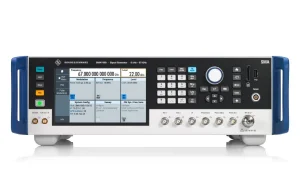
Access high-end calibration gear, signal generators (Rohde & Schwarz, Keysight), and original industrial components from a single partner, cutting down on administrative waste and minimizing procurement complexity.
We supply more than just physical parts; we offer full hardware integration support. From calibrating your high-current testers to delivering genuine spare parts (Siemens, Delta, Schneider), we ensure your system runs smoothly.
Our engineers understand the practical details of industrial safety testing. We help you choose the right ground path parts, correct gauge wires, and correct terminal styles to meet UL and IEC standards.
We maintain a responsive international logistics network to handle urgent maintenance, repair, and overhaul (MRO) parts demands quickly, protecting your assembly lines from unexpected downtime.
Technical answers to common questions about Ground Bond Sourcing, Standards, and Testing Methods
Ground Continuity is a low-current check (typically < 1A) to see if a ground connection exists. Ground Bond testing uses a high current (25A to 60A) to stress-test the circuit. Ground Bond tests measure the exact voltage drop across the connection, exposing weak or loose links that could fail during a short circuit. Sourcing reliable high-current testers from reputable brands like Megger or Keysight ensures proper compliance checks.
Oxygen-free copper provides maximum electrical conductivity with minimal resistance, reducing local heating during high-current events. Spring-loaded terminal designs (such as those from Wago or Phoenix Contact) maintain constant pressure over time, compensating for thermal expansion, contraction, and mechanical vibrations that might loosen traditional screw terminals.
Galvanic corrosion occurs when dissimilar metals (like copper and aluminum) touch in the presence of moisture. To prevent this, grounding hardware is plated with nickel, tin, or silver. Sourcing properly plated terminals and anti-corrosion grounding straps ensures the interface remains stable and low-resistance over years of service.
Yes. We provide complete OEM/ODM options for industrial hardware, including custom grounding panels, braided copper ground straps, specific connector styles, and customized mounting blocks. Sourcing with us allows you to customize raw materials and finishes to meet your exact engineering requirements.
Complete your testing line with genuine industrial products sourced from leading global manufacturers
 Machine-Win