Vector Signal Generators (VSGs) play a crucial role in modern communication systems. As Dr. Emily Chen, a leading expert in signal processing, states, "Vector Signal Generators are the backbone of wireless technology." They create complex signals for testing various devices. This capability is essential for designing and optimizing systems in telecommunications, aerospace, and automotive industries.
In practice, VSGs are utilized to simulate real-world scenarios. They generate modulated signals that mirror actual communication environments. This feature helps engineers evaluate device performance under diverse conditions. For instance, a VSG can test a smartphone’s behavior during high-frequency operations. Yet, the understanding and application of these tools can be challenging for newcomers. Familiarizing oneself with various modulation techniques is vital.
Despite being sophisticated devices, VSGs can present pitfalls. Users may overlook calibration, leading to inaccuracies. These missteps highlight the importance of ongoing education and hands-on experience. The evolution of Vector Signal Generators continues to shape the future of wireless communication, necessitating a deeper understanding of their function and application.
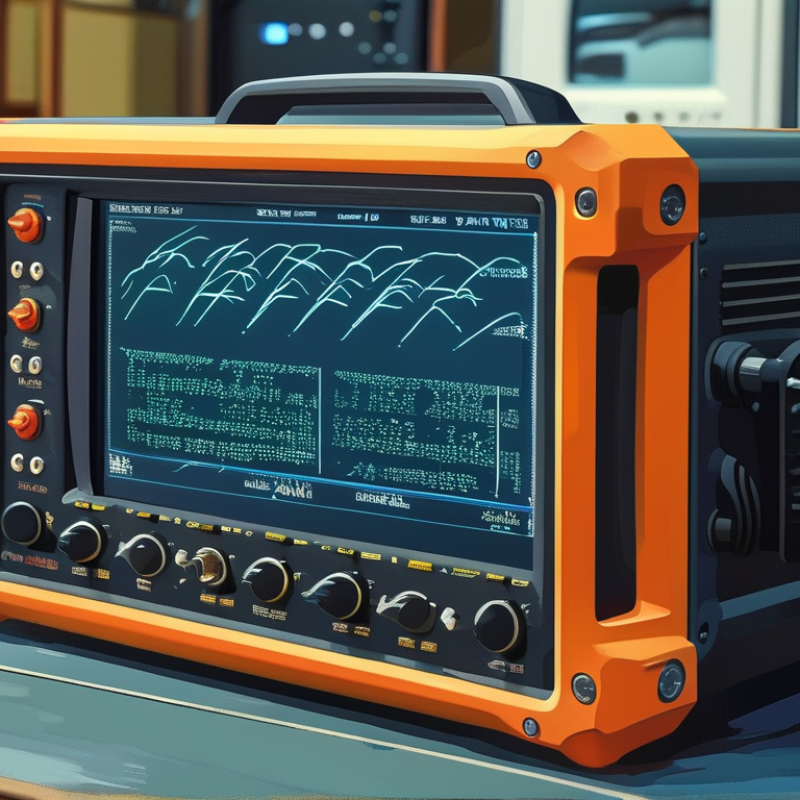
What is a Vector Signal Generator?
A Vector Signal Generator (VSG) is an essential tool in the realm of telecommunications and signal processing. It creates complex signals used to test and calibrate devices like receivers and transmitters. By offering varied modulation schemes, a VSG can generate signals that simulate real-world scenarios. This is crucial for ensuring that wireless devices can effectively handle diverse communication standards.
According to industry reports, the global vector signal generator market is expected to reach $1.5 billion by 2026, growing at a compound annual growth rate (CAGR) of 5.2%. This indicates increasing adoption in sectors such as automotive and IoT. Engineers utilize VSGs for various applications, from testing LTE and 5G systems to designing radar communication setups. Each application demands precision, making VSGs vital for accurate signal integrity assessments.
However, the complexity of these devices can pose challenges. Users sometimes struggle with understanding the full capabilities of a VSG. This often leads to underutilization of the instrument, limiting testing potential. Continuous training and development are essential to leverage the full range of features. The field continuously evolves, prompting professionals to stay informed about advancements and best practices in signal generation.
Key Features of Vector Signal Generators
Vector signal generators (VSGs) are essential tools in modern communications. They produce precise signals for testing hardware and systems. One key feature is their ability to generate complex waveforms. This is useful for simulating real-world operating conditions. VSGs can create signals across various modulation schemes, from simple AM to advanced MIMO signals. This flexibility is crucial for designing and testing devices like smartphones and wireless radios.
VSGs also offer programmable parameters. Users can easily adjust frequency, amplitude, and phase. This adaptability allows engineers to customize tests, helping in evaluating performance accurately. Another important feature is the capability for digital signal processing. This enhances the quality of generated signals, reducing unwanted noise. Accurate measurements lead to better designs.
Tip: Make sure to understand the specific requirements of your testing scenarios. Not all VSGs are suitable for every application. Selecting the right features can greatly impact test results. Also, consider calibration checks to ensure signal integrity. Regular maintenance can prevent errors during testing.
How Vector Signal Generators Work
A vector signal generator (VSG) plays a vital role in modern communication systems. It creates complex modulated signals used in testing various devices, such as transmitters and receivers. Understanding how VSGs work is crucial for engineers and technicians working in wireless technology. These devices generate signals by combining different waveforms. They manipulate amplitude, frequency, and phase to create various signal formats.
At the heart of a VSG is a signal processing unit. This unit uses digital-to-analog converters to transform digital representations into analog signals. The capability to adjust signal parameters in real-time is a significant advantage. Engineers can emulate many real-world scenarios, such as different noise environments. This flexibility becomes essential for thorough testing.
The user interface of a VSG allows for easy configuration of settings. Despite their advanced capabilities, errors can still occur. Operators may misconfigure the device or misunderstand the signal requirements. Such mistakes could lead to inaccurate testing results. Continuous training and experience are vital to overcome these challenges. Understanding the limitations and potential errors enhances reliability when using a VSG in critical applications.
Common Applications of Vector Signal Generators
Vector signal generators are essential tools in modern communication systems. They provide precise signal waveforms for testing purposes. One of the most common applications is in the development of wireless communication systems. Engineers use these generators to simulate various transmission scenarios. This helps in assessing the performance of devices under different conditions.
In the field of radar systems, vector signal generators are vital. They allow engineers to create complex waveforms for testing radar equipment. This ensures that the radar can accurately detect and track objects. Additionally, vector signal generators are used in automobile manufacturing. They help test automotive communication protocols like V2X, enhancing vehicle safety.
**Tip:** When using a vector signal generator, always verify the output signal’s integrity. Regular calibration can prevent unexpected results during testing. Keep an eye on software updates too. They often come with essential enhancements.
It’s worth reflecting on the challenges faced in using these generators. Sometimes, settings can become complicated. This can lead to errors in signal generation. Understanding the device fully can take time. However, investing that time pays off in improved testing outcomes.
What is a Vector Signal Generator and Its Applications?
| Application Area |
Description |
Frequency Range (GHz) |
Modulation Types |
Typical Use Cases |
| Wireless Communications |
Generation of modulated signals for testing and development. |
0.1 - 6 |
QPSK, 16 QAM, OFDM |
5G Development, LTE Testing |
| Aerospace & Defense |
Simulation of signals for radar and communication systems. |
1 - 18 |
Pulse Modulation, Wideband Signals |
Radar System Testing |
| Automotive |
Testing of vehicle-to-everything (V2X) communication. |
0.5 - 5 |
DSRC, C-V2X |
Autonomous Vehicle Development |
| Consumer Electronics |
Development of wireless audio and video products. |
0.1 - 3 |
AM, FM |
Smartphone Testing |
| Research & Development |
Prototype signal generation and analysis. |
0.1 - 40 |
Custom Waveforms, Arbitrary Signals |
Laboratory Experiments |
Benefits of Using Vector Signal Generators in Testing
Vector signal generators (VSGs) are crucial for testing and validating wireless communication systems. Their ability to create complex signal waveforms makes them invaluable in modern telecommunications. According to a recent market report, the global vector signal generator market is projected to grow significantly, reaching $700 million by 2025. This growth reflects the increasing complexity of wireless standards like 5G, which require precise signal generation and analysis.
Using VSGs offers several benefits in testing environments. For instance, they enable engineers to simulate real-world conditions by generating various modulation schemes. This helps in evaluating the performance of devices under different scenarios. Moreover, VSGs can reproduce signals that mimic interference, allowing developers to optimize their designs. Furthermore, a study from TechInsights shows that utilizing VSGs within a testing framework can reduce development time by up to 30%. This efficiency is particularly crucial as timelines in technology development shrink.
However, reliance on vector signal generators does not come without challenges. Engineers must understand the complexity of the signals they generate. Misinterpretation can lead to flawed test results. Furthermore, despite their accuracy, VSGs may not fully replicate every real-world scenario, which can result in gaps in data. Continuous refinement and calibration are essential to maintain reliability in testing outcomes.
Conclusion
Vector Signal Generators (VSGs) are sophisticated instruments used to create and manipulate a variety of signals in both digital and analog formats. They play a crucial role in testing and developing communication systems by generating precise waveforms that can simulate real-world conditions. The key features of VSGs include high accuracy, flexibility in modulation, and the ability to generate complex signals. Understanding how VSGs work is essential as they process various parameters to produce signals that can be tailored for specific applications.
Common applications of Vector Signal Generators range from telecommunications testing to radar and wireless communications development. They are particularly beneficial in ensuring the performance and reliability of devices by enabling thorough testing and validation under diverse scenarios. Utilizing VSGs in testing environments significantly enhances the efficiency and effectiveness of signal analysis, ultimately leading to better quality and more innovative technological solutions.

 Machine-Win