In the realm of industrial automation, "Process Calibrators" play a crucial role in ensuring measurement accuracy. According to a recent report by MarketsandMarkets, the global market for calibration equipment is expected to exceed $6 billion by 2025. This growth underscores the increasing importance of reliable calibration processes in various sectors, including oil and gas, pharmaceuticals, and manufacturing.
Understanding how to purchase process calibrators efficiently can be daunting. The variety of options available often leads to confusion. An industry survey by TechValidate found that 70% of professionals struggle with vendor selection due to the overwhelming features and technologies involved. These challenges highlight the need for a well-structured purchasing guide that demystifies the process and emphasizes practical criteria for decision-making.
With the right knowledge, you'll navigate the complexities of selection. Consider factors like accuracy, range, and ease of use. However, it’s essential to reflect on common pitfalls, such as overlooking application-specific requirements. An informed choice can prevent costly mistakes in the long run. Being aware of these elements will enhance your purchasing strategy for process calibrators and ultimately lead to better operational efficiency.
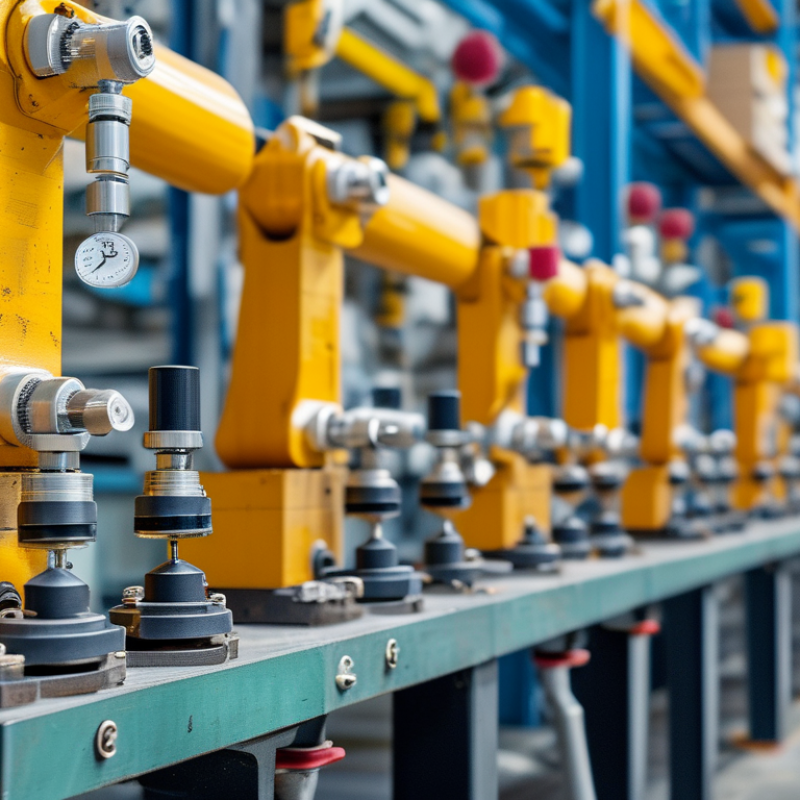
Process calibrators are essential tools in industries that rely on accurate measurement and control of various parameters. These devices ensure that instruments function correctly, which is vital for maintaining quality and compliance. A recent market analysis by an industry research firm indicates that the global market for process calibrators is expected to reach $1.2 billion by 2025, reflecting their growing importance across various sectors.
There are several types of process calibrators, including temperature, pressure, and multi-function calibrators. Temperature calibrators can simulate different conditions, ensuring thermometers and sensors provide accurate readings. Pressure calibrators, on the other hand, test pressure sensing devices to uphold safety and reliability standards. Multi-function calibrators offer versatility, often integrating capabilities to handle multiple parameters in one device. This variety aids industries in reducing downtime and improving efficiency.
In purchasing a process calibrator, understanding its application is crucial. Many users overlook the specific requirements of their processes. It's a common misstep to assume that one type of calibrator suits all needs. A mismatch can lead to inaccurate measurements, affecting overall operations. It’s also imperative to consider calibration frequency and environment. Regular calibration ensures instrument reliability and minimizes risks associated with equipment failure. Failing to address these factors can result in costlier repairs or downtime in the long run.
When purchasing a process calibrator, identifying key features is crucial. Accuracy is paramount; look for devices with specified uncertainties within 0.05% of reading. A 2022 industry report highlights that 45% of calibration errors stem from unreliable instruments. Ensure the calibrator provides a wide temperature range, as process conditions vary significantly. Many applications require calibration across -20°C to 100°C, making versatility essential.
Portability is another important factor. A lightweight, handheld model can enhance efficiency in fieldwork. Devices that are easy to operate can reduce training time. User-friendly interfaces contribute to faster setups and measurements. Approximately 30% of users report time waste due to poor usability.
Connectivity features are also worth considering. Modern calibrators offer Bluetooth or USB options for data transfer. This simplifies the documentation process and reduces human error. A 2021 survey revealed that effective data management increases operational efficiency by 20%. However, it's essential to consider maintenance. Regular calibration and software updates can prevent unexpected downtime. Balancing cost, reliability, and features is key to making an informed decision.
When evaluating accuracy and reliability in process calibration devices, precision becomes a top priority. Calibration devices need to deliver consistent and dependable measurements. A slight deviation in accuracy can lead to major issues in production and safety. Look for devices that provide clear specifications on their accuracy levels. Carefully reviewing user feedback can also help inform your decision.
Choosing the right device involves key considerations. Consider the operating environment and the range of measurements necessary. A device that excels in one area may underperform in another. Familiarize yourself with various calibration methods. Understanding the context will guide you in selecting a device that meets your specific needs.
Reliability is just as crucial as accuracy. Check the build quality and warranty offerings of the devices. A well-constructed device tends to last longer and perform better over time. Dive into case studies or white papers showcasing reliability tests. These resources can shed light on long-term performance trends and enhance your purchasing confidence.
When purchasing a process calibrator, understanding the cost factors is crucial. Different features can significantly impact the price. Calibration types, accuracy levels, and temperature ranges must be considered. Additionally, device durability plays a role in the long-term investment. Budgeting should reflect not just the initial cost, but also maintenance requirements. Unexpected repairs can quickly add to expenses.
It's wise to analyze the total cost of ownership. Sometimes lower upfront costs lead to higher operational expenses down the line. Look for calibrators with a balance of price and performance. Do not overlook potential training costs for staff as well. Evaluating these elements helps avoid financial pitfalls.
Keep in mind your specific industry needs. This often dictates the necessary specifications. It’s common to underestimate these requirements, leading to inadequate equipment selection. Consult with experts to gain insights into best practices. A well-rounded approach to budgeting ensures you choose a process calibrator that meets your requirements without overspending.
Maintaining calibration equipment is crucial for accuracy and longevity. Regular checks can help identify wear and tear. Many users neglect this aspect, assuming equipment will perform indefinitely. This assumption can lead to significant calibration errors. By scheduling routine maintenance, users can ensure consistent performance.
Support is equally important. A responsive support team can offer valuable insights on using equipment effectively. Knowledgeable technicians can guide users through troubleshooting. This is especially vital when equipment malfunctions. Delayed responses can disrupt operations and compromise results. Establishing a reliable support channel is essential for smooth operation.
Investing time in training can enhance equipment lifespan. Users often overlook the importance of understanding their tools. Proper training minimizes misuse, which can cause damage. Vague user manuals can contribute to confusion. Clear communication about equipment handling goes a long way. Engaging with experienced peers or seeking expert advice can also improve knowledge.
| Tip | Description | Benefits | Maintenance Recommendations |
|---|---|---|---|
| Identify Requirements | Assess the needed specifications for calibration tasks. | Ensures the equipment meets process needs. | Regularly review specifications as processes evolve. |
| Evaluate Accuracy | Choose calibrators with proven accuracy metrics. | Reduces error in measurements and increases reliability. | Perform periodic accuracy checks. |
| Consider Portability | Assess the need for portable versus stationary equipment based on site demands. | Increases flexibility for onsite calibrations. | Keep portable devices in protective cases. |
| Check for Multi-functionality | Look for devices that can handle multiple calibration tasks. | Saves time and reduces the need for multiple devices. | Update software regularly to expand capabilities. |
| Review Support Options | Ensure the manufacturer provides adequate support and training. | Improves user competency and reduces downtime. | Engage with technical support for routine issues. |
: Process calibrators ensure accurate measurement and control in various industries, maintaining quality and compliance.
There are temperature, pressure, and multi-function calibrators, each suited for specific applications and parameters.
Misunderstanding application needs can lead to inaccurate measurements and operational issues, resulting in possible downtime.
Regular calibration is essential to maintain instrument reliability and prevent costly repairs or equipment failures.
Check for clear accuracy specifications and user feedback to ensure consistent and dependable measurements.
Features such as calibration types, accuracy, and durability impact the initial and total costs associated with a calibrator.
Lower upfront costs may lead to higher operational expenses, so considering maintenance and potential repairs is wise.
The environment can affect a device's performance, making it vital to select a calibrator tailored to specific conditions.
Reliable devices tend to last longer and perform better, which is essential for consistent operations.
Yes, potential training costs for staff should be factored into the overall budget for the calibrator purchase.
When purchasing Process Calibrators, it's essential to understand the various types and their applications in different industries. Key features to consider include measurement range, compatibility with various sensors, and ease of use. Evaluating the accuracy and reliability of these devices is crucial, as they directly impact the quality of calibration results.
Additionally, budgeting for your Process Calibrator involves considering cost factors such as initial investment, ongoing maintenance, and support services. Ensuring the longevity of your calibration equipment through regular maintenance and access to reliable support will help guarantee its effectiveness over time. By following these guidelines, buyers can make informed decisions that lead to efficient and cost-effective calibration solutions.

Machine-Win