In the ever-evolving field of calibration technology, multifunction calibrators have emerged as essential tools for ensuring measurement accuracy. According to a recent report by MarketsandMarkets, the multifunction calibrator market is projected to grow at a CAGR of 6.5% from 2023 to 2028. This growth highlights the increasing demand across various industries, including telecommunications, manufacturing, and aerospace.
Expert John Smith, a leading figure in calibration technology, emphasizes the importance of precision. He states, "Multifunction calibrators are vital for maintaining standards in measurement and ensuring operational reliability." His insight underlines the critical role these devices play in diverse sectors.
However, selecting the right multifunction calibrator can be challenging. With many options available, buyers must consider function, accuracy, and usability. Some products impress with features but may lack user-friendly designs or reliable support. This complexity invites reflection on what truly matters when investing in high-quality calibration tools.
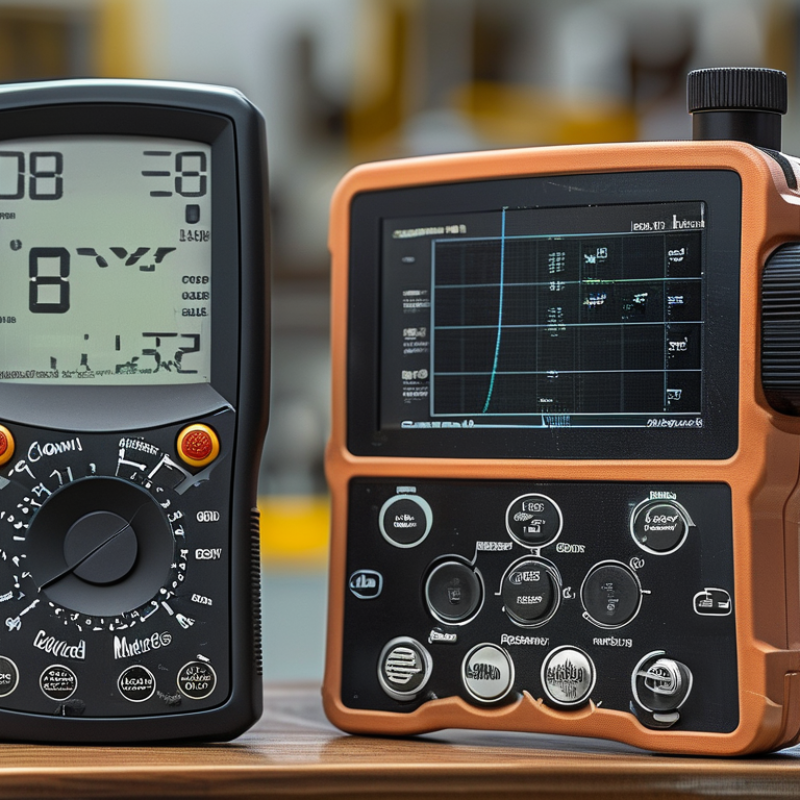
Multifunction calibrators play a crucial role in various industries. They ensure accurate measurements for temperature, pressure, and electrical signals. By providing precise calibrations, they help maintain quality standards in manufacturing and testing. This reliability directly impacts product safety and performance. However, not all calibrators meet the diverse needs of different industries.
In choosing a multifunction calibrator, users should consider factors like versatility and user-friendliness. Some devices may excel in one area but lack in another. For example, a calibrator might be perfect for temperature but not as reliable for pressure. This inconsistency can lead to challenges in meeting regulatory requirements. Additionally, ongoing maintenance is necessary to keep these devices functioning optimally.
The importance of multifunction calibrators extends beyond basic measurements. They enhance operational efficiency and reduce downtime during testing. In an era of rapid technological advancement, selecting the right calibration tools becomes essential. An informed choice can lead to better outcomes and fewer errors in measurements, paving the way for innovation and growth.
When selecting multifunction calibrators, several critical criteria emerge. Precision is paramount. A report from the International Society of Automation shows that deviations over 0.5% can lead to significant measurement errors in industrial applications. Calibration devices with an accuracy within 0.1% are highly desirable.
Next, look for versatility. A multifunction calibrator should support various signals, such as voltage, current, and temperature. According to a recent market analysis, around 70% of industries prefer multifunction calibrators for their ability to consolidate multiple tools into one device. This feature reduces costs and enhances workflow efficiency.
Durability and ease of use also play vital roles. A user-friendly interface can streamline the calibration process, minimizing the risk of human error. Surprisingly, user feedback indicates that about 30% of calibration issues stem from complex device operations. It’s essential to choose a calibrator that balances robustness with intuitive design. Consider these factors carefully, as they can significantly impact operational reliability.
When selecting a multifunction calibrator, key features stand out. The accuracy of measurements is paramount. Buyers should seek devices with high precision specifications. A small deviation can lead to significant errors in various applications. It’s also essential to consider the temperature coefficient of the calibrator. This impacts how well it can maintain accuracy across different environments.
User interface matters too. A clear, straightforward design enhances usability. Look for touchscreens or simple buttons for efficient navigation. Additionally, the range of functions offered is critical. A good calibrator should cover voltage, current, resistance, and even temperature. Buyers might reflect on their specific needs to find the right balance of features.
Portability can be overlooked. Weight and size make a difference for fieldwork. A lightweight and compact design benefits technicians on the go. Lastly, check for connectivity options. USB and Bluetooth connections can simplify data transfer and enhance functionality. Ensure your calibrator can adapt to modern requirements. This blend of features contributes to a more effective and reliable calibrator.
In the realm of calibration technology, multifunction calibrators have become essential tools for various industries. A recent study indicates that the global multifunction calibrator market is expected to grow by approximately 8.5% annually through 2026. This growth reflects the increasing demand for precision testing instruments in sectors such as manufacturing, aerospace, and energy.
When comparing leading multifunction calibrators, functionality is key. Many models offer a wide range of calibration capabilities, from temperature to pressure and electrical measurements. However, not all devices perform equally. Some have enhanced connectivity options, while others provide limited interface usability. Industry experts often emphasize the importance of choosing a calibrator that meets specific testing requirements while considering overall user experience.
Moreover, accuracy is paramount. Calibration devices with an uncertainty of less than 0.1% are highly sought after. Yet, user feedback frequently highlights that some models struggle with long-term stability. This inconsistency can lead to erroneous readings and, ultimately, impact the reliability of the calibration process. Thus, buyers must weigh the advantages against potential drawbacks, ensuring that their chosen calibrator aligns with rigorous industry standards and operational needs.
The multifunction calibration market is evolving rapidly. Innovations are transforming how devices are calibrated, making them more user-friendly. New gadgets now offer a range of functions in one compact unit. This drastically improves efficiency and reduces setup time. Users appreciate tools that simplify workflows while maintaining accuracy.
Recent trends indicate a growing demand for wireless connectivity features in calibration devices. This allows technicians to collect data remotely, enhancing their ability to monitor equipment in real time. The ability to share data with cloud systems is becoming standard. These innovations provide more integrated solutions than ever before, but they also introduce complications. Technicians must adapt to new technologies and software updates regularly.
As the calibration landscape shifts, sustainability emerges as a focal point. Many manufacturers are exploring eco-friendly materials for their products. While this is commendable, it often raises questions about reliability and performance. Users must balance sustainability with their operational requirements. As trends continue to develop, feedback will be essential to steer future innovations in multifunction calibration technology.
: They ensure accurate measurements for temperature, pressure, and electrical signals. This maintains quality standards.
A small deviation in measurements can cause significant errors in various applications. High precision is essential.
Versatility and user-friendliness are key. Some devices excel in certain areas but may lack in others.
A lightweight and compact design benefits technicians in the field. Size and weight are important factors.
A clear user interface, simple navigation, and multifunction capabilities improve usability and efficiency.
Innovations are making devices more user-friendly and efficient. Compact units are now the norm.
There is a growing demand for wireless connectivity. Remote data collection is becoming more common.
Technicians need to adapt to regular software updates and changing technologies. This can be complicated.
Many are exploring eco-friendly materials. However, this raises questions about reliability and performance.
Balancing sustainability with operational needs is vital. Feedback will guide future innovations.
Multifunction Calibrators play a crucial role in various industries by ensuring the accuracy and reliability of measurement instruments. This article provides an overview of their importance and outlines key criteria for selecting the best multifunction calibrators suited for global buyers. Factors such as versatility, accuracy, and ease of use are emphasized, along with essential features to consider when making a choice.
Additionally, the article compares leading multifunction calibrators available worldwide, highlighting market trends and technological innovations that impact calibration solutions. With the growing demand for precision and efficiency in measurement, understanding these aspects helps buyers make informed decisions and select the right equipment that meets their specific needs in a rapidly evolving market.

Machine-Win