In the ever-evolving landscape of global procurement, "Modular Instruments" have emerged as critical tools for various industries. Dr. Emily Carter, a leading expert in instrumentation technology, emphasized, "Modular Instruments allow for flexibility and efficiency in meeting diverse needs." This versatility makes them invaluable for enterprises seeking innovative solutions.
Modular Instruments cater to a wide array of applications. They can be tailored to specific requirements, enhancing productivity and performance. Companies can adapt these instruments as demands shift, providing a unique advantage. Yet, despite their adaptability, organizations often struggle with integration challenges. The need for proper training and infrastructure cannot be overlooked.
As procurement processes become increasingly complex, understanding the role of Modular Instruments is vital. Companies must consider how to best leverage these tools while recognizing potential limitations. Fostering a strategic approach to procurement ensures that organizations can fully harness the benefits of Modular Instruments.
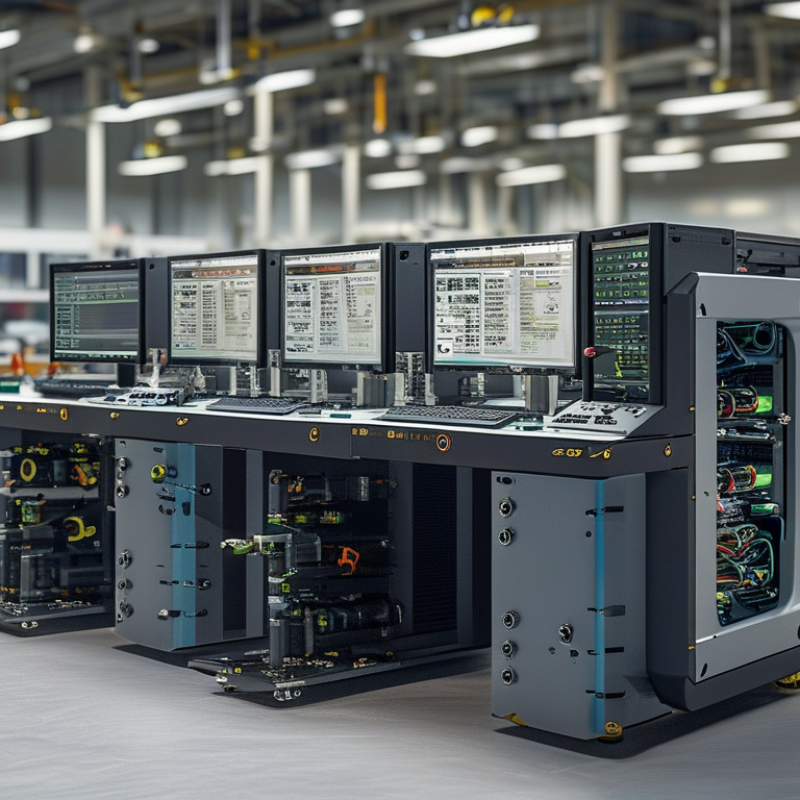
Overview of Modular Instruments in Global Procurement
In the realm of global procurement, modular instruments play a vital role. They are not just tools; they are adaptable solutions. They support various industries, from telecommunications to manufacturing. These instruments meet diverse challenges and requirements. Their flexibility accommodates multiple functions, making them essential.
Modular instruments enable organizations to scale according to their needs. A company can add or remove modules as requirements change. This modularity can lead to cost savings. However, the decision to invest in such systems should not be taken lightly. Incorrect choices may lead to operational challenges.
The integration of these instruments often reveals gaps in existing processes. Recognizing these shortcomings can drive improvement. Procurement teams must weigh the advantages against potential pitfalls. Finding reliable vendors is crucial, but awareness of emerging risks is equally important. Adaptability should not compromise reliability in procurement decisions.
Key Features of Top Modular Instruments for Procurement
In today's rapidly changing global market, modular instruments have become essential for efficient procurement. These tools allow organizations to adapt swiftly to evolving demands. Their flexibility enables firms to tailor functionalities according to specific needs. By incorporating advanced features, companies can streamline their operations significantly.
One key feature is interoperability. Modular instruments can integrate with existing systems, reducing the need for extensive overhauls. This integration is crucial as organizations often work with diverse tools. Another important aspect is scalability. As a business grows, these instruments can expand easily without a complete redesign. This adaptability offers a practical approach to resource management.
However, challenges persist. Not every modular solution meets all user requirements seamlessly. Businesses might experience a learning curve with new systems. Emphasis on user training is vital to evaluate effectiveness. Organizations must also consider long-term support for these instruments. Each choice comes with its own set of dilemmas, highlighting the need for informed decision-making.
Market Leaders in Modular Instruments and Their Offerings
In today's competitive landscape, modular instruments play a critical role in global procurement. Several market leaders offer innovative modular solutions tailored to diverse needs. According to recent industry reports, the demand for flexible and scalable instruments has increased by 45% over the past three years. This growth reflects a shift towards customized solutions that align with specific procurement challenges.
One significant trend is the integration of advanced technology into modular designs. Many instruments now feature built-in analytics and connectivity. These features enable real-time data analysis, significantly enhancing decision-making efficiency. However, this rapid technological advancement raises concerns regarding user adaptation. Many organizations struggle to fully utilize these capabilities, which can lead to underperformance.
Another important aspect is the focus on sustainability. Modular instruments are being designed with eco-friendliness in mind. Reports indicate that 60% of procurement departments prioritize sustainable solutions. Yet, the challenge remains in balancing sustainability and cost-efficiency. Organizations often face resistance to change, as initial investment costs can be prohibitive. Addressing these issues requires strong leadership and a commitment to long-term benefits.
Comparative Analysis of Modular Instruments for Diverse Needs
The landscape of modular instruments has significantly evolved, catering to a wider array of global procurement needs. Many organizations require adaptable solutions to respond to shifting market demands. Today, modular instruments can serve functions in various sectors, including healthcare, manufacturing, and environmental monitoring. These tools provide flexibility and efficiency, enabling tailored solutions that can align with specific project requirements.
A comparative analysis of modular instruments reveals important insights. Some instruments excel in precision, while others focus on portability. It's crucial to consider the application context. For instance, a highly portable instrument might sacrifice accuracy, making it less suitable for rigorous testing environments. Moreover, the choice of instrument impacts workflows and cost management. Organizations must weigh these trade-offs carefully, often leading to challenging decisions.
Ultimately, the effectiveness of modular instruments lies in their seamless integration into existing systems. Organizations may discover that certain features are not as beneficial as initially perceived. Continuous adaptation and feedback can lead to better outcomes and innovations. Striking the right balance between versatility and specialized capability remains a common challenge for many seeking optimal procurement solutions.
Future Trends in Modular Instrumentation for Global Procurement
In the evolving landscape of global procurement, modular instruments are gaining traction. Their adaptable design meets diverse needs across industries. Many companies are shifting to modular systems. This enhances flexibility, allowing businesses to tailor solutions to specific challenges. Customization becomes essential as companies strive for efficiency.
Future trends show an increased focus on sustainability. Modular instrumentation can help reduce waste through reuse and recycling of components. Companies begin to recognize the value of eco-friendly practices.
However, challenges remain. Integrating new technologies can be complex. Experts caution against rushing into decisions without thorough evaluation.
Investments in modular systems demand careful consideration. Procurement teams must weigh upfront costs against long-term benefits. Collaboration among stakeholders is critical. Continuous training can help staff adapt to new systems. Ultimately, the transition to modular instruments should not overlook potential pitfalls. A balanced approach will be crucial for successful implementation in the future.
Conclusion
The article "Top Modular Instruments For Global Procurement Needs" provides a comprehensive overview of the role and significance of modular instruments in the procurement sector. It highlights the key features that make these instruments essential for various procurement processes, focusing on their adaptability, scalability, and ease of integration into existing systems. Additionally, the article explores market leaders in modular instruments, examining their offerings and advancements that cater to diverse procurement needs.
A comparative analysis presents different modular instruments available in the market, showcasing their unique strengths and functionalities. As global procurement continues to evolve, the article also discusses future trends in modular instrumentation, indicating a shift towards increased automation and enhanced interoperability. The insights provided aim to guide organizations in selecting the most suitable modular instruments to optimize their procurement strategies effectively.

 Machine-Win