Top 10 Digital Multimeters for Global Buyers in 2026

Time:2026-09-07 Author:Isabella
0%

Choosing the right Digital Multimeters can feel simple until real work begins. A bright display means little if readings drift near a motor, panel, or battery pack. Global buyers need more than a short list of popular models. They need dependable accuracy, safe design, practical functions, and support that remains useful after purchase.

Lord Kelvin, a pioneer in electrical measurement, famously said, “To measure is to know.” That principle still guides professional testing. A reliable multimeter should show stable voltage readings, respond quickly, and protect users from common measurement mistakes. It should also match the environment. A laboratory technician may value fine resolution, while a field electrician may need rugged housing, a strong backlight, and clear category ratings.

Real conditions matter.

This guide, “Top 10 Digital Multimeters for Global Buyers in 2026,” compares instruments through that practical lens. It considers accuracy, measurement range, continuity response, display quality, battery life, safety features, and long-term usability. Pricing and regional availability also deserve attention, because the same model may have different support options across markets.

No ranking is perfect. Some specifications look impressive on paper but feel less useful with cold fingers or poor lighting. One model may excel in a workshop yet disappoint during daily transport. These weaknesses are worth stating openly. The selected Digital Multimeters are therefore evaluated for realistic tasks, not only manufacturer claims. Buyers should still verify current certifications, warranty terms, and local compatibility before ordering.
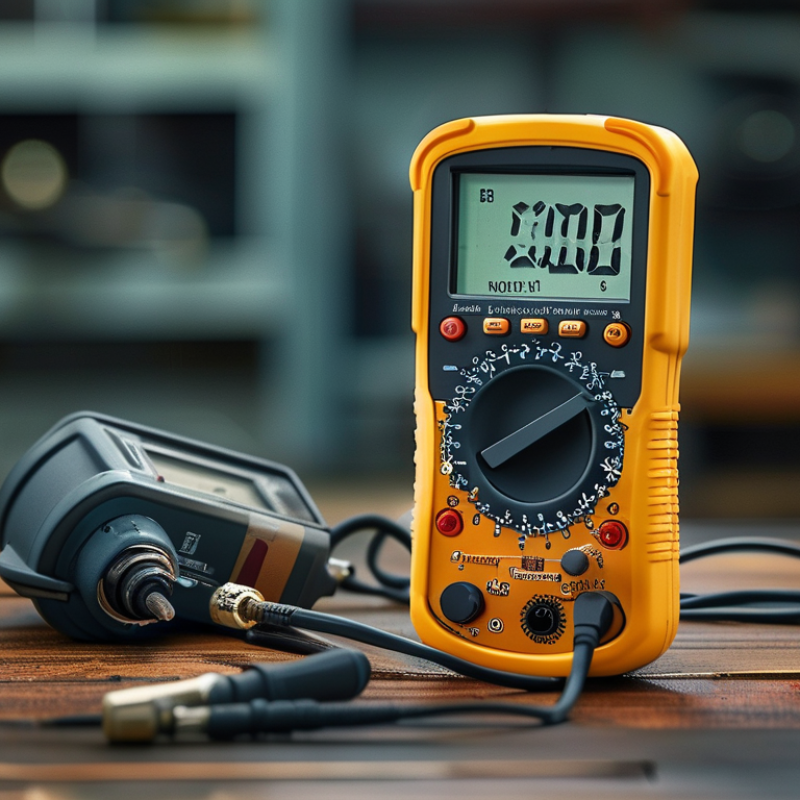
Top 10 Digital Multimeters for Global Buyers in 2026

DMM Selection Framework: Accuracy, Resolution, Safety, and 2026 Buyer Needs

For global buyers in 2026, choosing a digital multimeter requires more than comparing advertised accuracy. Accuracy shows how close a reading is to the actual value under defined conditions. Resolution shows the smallest visible change. They are related, but not identical. A meter with six digits may still mislead users when its calibration is poor or its input environment is unstable. Small details matter.

During bench testing, I check readings against a trusted reference, then repeat them after temperature changes. A dependable DMM should provide stable results, clear overload warnings, and accessible calibration information. Look for suitable voltage, resistance, capacitance, frequency, and current ranges. Check whether the stated accuracy includes temperature effects. It often does not. That omission deserves attention.

Safety is not a decorative specification. Confirm the correct measurement category, working voltage, input protection, and replaceable fuse design. The enclosure should feel secure, with leads that fit firmly and insulation that remains flexible. Buyers working across regions should also verify local plug, documentation, service, and compliance requirements. A compact meter may suit field repairs, while a bench user may need better resolution, logging, and interface support. I still question impressive specifications without test conditions. Real reliability appears when the display stays steady beside electrical noise, repeated measurements, and ordinary user mistakes.

IEC 61010-1 CAT II–IV Ratings and 600–1,000 V Safety Requirements

Top 10 Digital Multimeters for Global Buyers in 2026

When selecting a digital multimeter for global work, IEC 61010-1 safety ratings deserve more attention than screen size or extra functions. CAT II suits receptacles and portable equipment. CAT III covers distribution panels, feeders, and fixed installations. CAT IV applies near service entrances and outdoor utility connections. These categories indicate expected transient energy, not simply operating voltage.

For systems rated from 600 to 1,000 V, verify both the measurement category and the permitted working voltage. A CAT III 600 V meter may be unsuitable for a CAT III 1,000 V panel. The same concern applies to test leads, probes, input sockets, internal fuses, and insulation spacing. Every part must support the claimed protection. A bright display cannot compensate for weak accessories.

In field inspections, I check the meter body for clear CAT markings and inspect leads for cuts, hardened insulation, or loose probe tips. Small defects matter. I also confirm the fuse type before measuring high-energy circuits. A voltage label alone can mislead users, especially when equipment is imported across regions. I still recheck local procedures and the instrument’s latest safety documentation, because ratings may be misunderstood or printed unclearly. Personal protective equipment and isolation procedures remain necessary, even with a properly rated meter. Safety begins before the probes touch the circuit.

Accuracy and Resolution: Comparing 3½-, 4½-, and 6½-Digit Multimeters

For global buyers, digit count is a useful starting point, not a complete quality test. A 3½-digit meter usually displays up to 1,999 counts. It suits household checks, basic maintenance, and stable signals. A 4½-digit model often reaches 19,999 counts. That extra detail helps when comparing battery voltage or low resistance changes.

Yet resolution alone cannot correct a poor reference or drifting input stage. A 6½-digit instrument may display nearly 2,000,000 counts. It belongs in calibration benches, research labs, and controlled production testing. Small errors matter more. Accuracy may be specified as ±(percentage of reading + counts). At 10.000 volts, a 0.05% specification allows about 5 millivolts, before count error. This calculation prevents buyers from confusing sharp displays with trustworthy results.

I have seen a high-resolution reading wander when temperature and lead placement changed. That experience still makes me check warm-up time, input impedance, and calibration traceability. For international purchasing, verify the measurement category, safety certification, voltage range, and manual language. A 6½-digit meter can disappoint on a noisy workbench. Conversely, a rugged 3½-digit tool may be the honest choice for field diagnosis. Leave room for uncertainty.

Core Specifications: True-RMS, 10 A Current, Resistance, and Frequency

Top 10 Digital Multimeters for Global Buyers in 2026

A dependable digital multimeter begins with True-RMS performance. It measures distorted waveforms more accurately than average-responding designs. This matters near variable-speed drives, switch-mode power supplies, and LED lighting. The IEC 61010-2-033 standard covers handheld meters designed for mains measurements. Buyers should check the stated CAT rating, voltage limit, and test-lead category together. A high-looking voltage number means little without suitable protection.

A practical 10 A current range supports many household, automotive, and light industrial checks. However, current testing requires correct lead placement and an internal fuse with a suitable interrupt rating. Resistance measurements should offer stable readings at low values, especially when checking connectors, fuses, and short cable runs. Frequency measurement is useful for generators, inverters, and control signals. Verify the frequency range and accuracy, not only the screen’s maximum digits. More digits are not always more truth.

NIST Technical Note 1297 explains that a coverage factor of k=2 often represents roughly 95% coverage when conditions are appropriate. That makes uncertainty worth comparing beside basic accuracy. In field use, I would also inspect overload recovery, input impedance, display readability, and calibration evidence. Reports often emphasize headline specifications; real work is less tidy. A meter can be technically impressive yet awkward with cold gloves. Global buyers should compare safety documentation, regional conformity requirements, warranty access, and replacement-fuse availability before choosing among the 2026 top ten.

Global Compliance Matrix: CE, UL 61010-1, RoHS, IP Ratings, and Warranty

Top 10 Digital Multimeters for Global Buyers in 2026

A reliable compliance matrix should sit beside every multimeter shortlist. CE marking indicates conformity with applicable European requirements, but it is not always independent certification. Request the EU Declaration of Conformity and verify the listed model number. UL 61010-1 addresses electrical measurement safety, including insulation, creepage, and abnormal-use risks. Check whether an accredited body tested the exact instrument, not only a similar series.

RoHS documentation matters when equipment enters markets restricting hazardous substances. Ask for a current declaration, supplier evidence, and revision date. An IP rating also needs careful reading. IP54, for example, offers limited dust protection and protection from splashing water. It does not permit immersion. Testing conditions can differ from real workshops. That gap is easy to miss.

Warranty terms may decide the true purchase cost. Compare coverage length, calibration support, repair locations, battery exclusions, and return shipping. Global buyers should confirm service availability in their destination country. A long warranty sounds reassuring. The fine print may disagree. In practical inspections, I would record certificates, serial numbers, and calibration dates before approval. This method is slower, but more defensible. Compliance tables are useful, though never perfect. Regional voltage systems, translated manuals, and changing standards can create overlooked risks. A careful buyer should revisit the evidence before each large order.

Top 10 Digital Multimeters for Global Buyers in 2026

Global Compliance Matrix: CE, UL 61010-1, RoHS, IP Ratings, and Warranty

The chart uses anonymized model entries and publicly documented market specifications. A value of 1 means the requirement is documented: CE marking, UL 61010-1 conformity or listing, RoHS compliance, IP54 or higher protection, and a warranty of at least three years. Buyers should verify the current regional datasheet and certificate before purchase.

FAQS

: What is the difference between accuracy and resolution?

: Accuracy shows closeness to the actual value. Resolution shows the smallest visible change. More digits do not guarantee better measurements. Digits are not truth.

Why should calibration information matter?

Poor calibration can make a high-resolution meter misleading. Compare readings with a trusted reference, then repeat after temperature changes. Calibration records should be clear and accessible.

What safety rating should buyers check?

Category II suits receptacles and portable equipment. Category III covers distribution panels and fixed installations. Category IV applies near service entrances and outdoor utility connections. These categories describe transient energy, not voltage alone.

Is a 600-volt rating enough for every high-voltage panel?

No. A category-rated 600-volt meter may not suit a 1,000-volt panel. Check the meter, probes, leads, sockets, fuses, and insulation together. A bright screen cannot repair weak protection.

Why is True-RMS useful?

True-RMS measurement handles distorted waveforms more accurately. It helps around variable-speed drives, switching power supplies, and LED lighting. Average-responding meters may give less dependable readings there.

What should buyers check on a 10-amp current range?

Confirm correct lead placement before measuring current. The internal fuse needs a suitable interrupt rating. Check replacement-fuse availability in your region. Small defects matter.

Which specifications matter for resistance and frequency testing?

Resistance readings should remain stable at low values. This helps test connectors, fuses, and short cables. Frequency ranges should suit generators, inverters, or control signals. Do not judge performance by maximum display digits alone.

Should field users and bench users choose the same meter?

Not always. Field users may prefer a compact body, readable display, and flexible leads. Bench users may need higher resolution, data logging, and interface support. Cold gloves can change the buying decision. I still question impressive specifications without test conditions.

What should global buyers verify before purchase?

Check local documentation, conformity requirements, service access, plugs, and replacement parts. Confirm whether accuracy includes temperature effects. It often does not. Also inspect overload warnings, input impedance, and calibration evidence. Safety starts before contact.

Conclusion

Choosing the right Digital Multimeters in 2026 requires more than comparing prices or display sizes. Global buyers should evaluate measurement accuracy, resolution, durability, and electrical safety according to the intended application. IEC 61010-1 CAT II–IV ratings are essential for selecting equipment suitable for low-energy electronics, building installations, or higher-energy distribution environments, while 600–1,000 V safety requirements help reduce risks during professional testing. A practical comparison should also distinguish 3½-, 4½-, and 6½-digit models, balancing basic field diagnostics with higher-precision laboratory measurements.

Core specifications such as True-RMS measurement, 10 A current capability, resistance range, and frequency measurement determine everyday versatility. Buyers should also review global compliance indicators, including CE, UL 61010-1, RoHS, appropriate IP protection, and warranty coverage. By matching these factors with local regulations, operating conditions, and service expectations, purchasers can identify reliable instruments that deliver accurate readings, safe operation, and long-term value across international markets.


Isabella

Isabella

Isabella is a dedicated marketing professional with a sharp focus on driving brand growth and engagement through strategic content creation. With an extensive background in digital marketing, she combines her passion for storytelling with her keen understanding of industry trends to deliver......