Choosing the right signal generators can be challenging. These devices play a crucial role in various industries, from telecommunications to audio engineering. Understanding your specific needs is essential to make an informed decision.
Signal generators vary in type, frequency range, and functionality. Some are designed for precise scientific applications, while others cater to general testing and troubleshooting. It's vital to assess your requirements carefully. This may involve evaluating the frequency range, output signals, and modulation capabilities.
Additionally, consider the reliability and reputation of the manufacturer. Established companies often offer more durable and accurate devices. User reviews can also provide insight into the product's performance. Remember, the ideal signal generator should meet your technical requirements while remaining within budget constraints. Making the right choice requires thoughtful consideration and research.
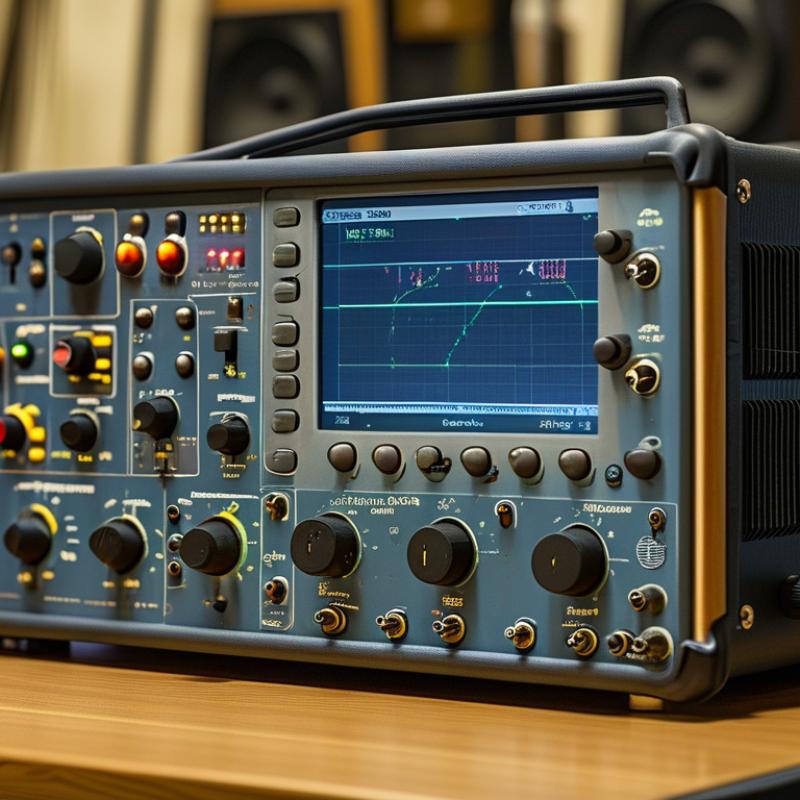
Understanding Signal Generators and Their Applications
Signal generators are crucial tools for various applications in electronics, telecommunications, and research. They create repetitive electronic signals, providing a base for testing and diagnostics. Understanding their types can help tailor your choice to specific needs. Analog and digital signal generators serve different purposes. Analog generators create sine, square, and triangle waves. Digital generators produce more complex waveforms, offering versatility in signals.
Applications range from designing circuits to wireless communication testing. Engineers often rely on signal generators to simulate real-world conditions. For example, they can test receiver sensitivity under different frequencies. This ensures reliability in devices like smartphones and radios. However, choosing the right generator can be tricky. Factors like frequency range, output waveform, and modulation capabilities must be considered.
Many users struggle to fully grasp these requirements. Often, they may overlook how crucial precision is in signal generation. A minor error in signal frequency can lead to major issues in testing outcomes. Reflecting on specific needs before making a decision is essential. A careful analysis can prevent regrettable mistakes later in the testing phase.
Signal Generator Applications and Their Popularity
Identifying Your Requirements for a Signal Generator
When selecting a signal generator, understanding your specific needs is crucial. Start by identifying the type of signals you require. Are you working with analog or digital systems? This decision will significantly influence your choice. Each type serves distinct purposes, making this initial step essential. Think about the frequency range you need. Some applications demand high frequencies, while others may work fine with lower ones.
Next, consider the output signal's quality and stability. A reliable signal generator ensures accurate testing and measurements. Look for features like low distortion and a high signal-to-noise ratio. This focus on quality can make a significant difference in your results.
Don't overlook the importance of versatility. Some projects may require modulation capabilities, while others may need complex waveform generation. Choose a model that can adapt to different tasks. Reflect on potential future needs as well. Investing in a capable unit now can save you from frequent upgrades later.
Key Features to Consider When Choosing a Signal Generator
When selecting a signal generator, key features play a crucial role. Start with frequency range. Ensure it covers the spectrum you need for your specific applications. For instance, some projects may require low frequencies, while others demand high precision. Look for models that can adapt easily.
Another essential aspect is the output waveform types. Various signal generators offer options like sine, square, and triangular waves. Consider what you will be testing. If you need to simulate real-world signals, having versatile waveform options can enhance your testing processes.
Tip: Check the user interface. A clear, intuitive design saves time and reduces errors during setup.
Additionally, focus on accuracy and stability. High-quality signal generators provide precise frequency and amplitude control. They can also minimize unwanted noise, essential for reliable testing outcomes.
Tip: Consider if the generator supports modulation features. This can be important for specific tests requiring complex signal shapes.
One last thought: don't overlook build quality and reliability. Look for devices that are robust and well-reviewed in technical circles. This ensures longevity and better performance. Always take your time to assess these features thoroughly.
Comparing Different Types of Signal Generators
When selecting a signal generator, it's essential to understand the various types available. Each type serves specific purposes. Basic signal generators create simple waveforms, while function generators produce a range of frequencies and wave shapes. If your needs include complex analysis, consider a vector signal generator. This device generates IQ (in-phase and quadrature) signals, useful in advanced communications.
Tips: Identify your primary applications. Will you be testing audio equipment or RF circuits? Knowing your focus helps narrow down options.
Consider the specifications too. Check the frequency range, output level, and modulation options. A generator with limited capabilities may hinder your work. Look for models that offer flexibility in adjustments without compromising stability.
Tips: Review user feedback and performance reports. Real-world experiences can highlight both strengths and weaknesses. Remember that every tool has its quirks. A generator may excel in one area but falter in another. Embrace these imperfections as opportunities for growth and learning in your projects.
Evaluating Budget and Cost-effectiveness of Signal Generators
When evaluating the budget and cost-effectiveness of signal generators, it’s important to consider various factors. The market offers models ranging from a few hundred dollars to several thousands. A report by MarketsandMarkets forecasts that the global signal generator market will reach $530 million by 2025, reflecting significant industry growth. This trend suggests that investing in a reliable signal generator can yield substantial returns in terms of performance and longevity.
Cost-effectiveness often hinges on the specific features you need. Basic models may suffice for educational purposes or simple testing. Yet, advanced applications might require high-frequency performance or complex modulation capabilities. The initial investment could appear high for top-tier models, but if they reduce testing time and improve accuracy, they may pay off in the long run. A cheaper option may lead to frustrating delays and increased costs elsewhere.
Moreover, continuous advancements in technology mean that older models can quickly become obsolete. Regularly assessing whether your current generator meets evolving demands is crucial. Industry experts recommend budgeting for potential upgrades. This proactive approach can prevent unexpected costs and ensure your equipment remains competitive.
FAQS
: Identify the type of signals you need, either analog or digital. This affects your choice significantly.
Frequency range depends on your application needs. Some may need high frequencies; others may work with lower ones.
Quality impacts testing accuracy. Look for low distortion and high signal-to-noise ratio for reliable measurements.
Consider sine, square, and triangular wave options. Versatile waveforms can enhance your testing processes significantly.
Some projects need modulation or complex waveforms. Choose a generator that adapts to different tasks and future demands.
An intuitive user interface saves time and reduces errors. It makes setup and operation more manageable and efficient.
Durable, well-reviewed devices ensure longevity and consistent performance. Don't underestimate the importance of solid construction.
High-quality generators provide precise frequency control. They also minimize noise, which is vital for trustworthy testing outcomes.
Think about upcoming projects. Investing in a capable generator now can avoid frequent upgrades later.
Yes, rushing may lead to overlooking important features. Take your time to evaluate all critical aspects thoroughly.
Conclusion
Signal generators are essential tools used in various fields such as telecommunications, electronics, and testing. Understanding their functionalities and applications is crucial for selecting the right device for your specific needs. Before making a choice, it's important to identify your requirements, including the frequency range, modulation capabilities, and output power that suit your intended application.
When comparing signal generators, consider key features such as waveform quality, signal stability, and connectivity options. Additionally, evaluating different types of signal generators, such as analog, digital, or RF generators, can help narrow down your options. Finally, assess your budget to ensure you find a cost-effective solution that meets your needs without compromising on essential features. By carefully analyzing these factors, you can choose the best signal generator to achieve optimal performance in your projects.

 Machine-Win