How to Choose the Best High Speed Digitizers for Your Needs?

Time:2026-07-04 Author:Aria
0%

In today's fast-paced world, choosing the right High Speed Digitizers can significantly impact data acquisition efficiency. According to a report by MarketsandMarkets, the global High Speed Digitizers market is projected to reach $1.2 billion by 2025, driven by increased demand in sectors like telecommunications and aerospace. Industry expert Dr. Emily Warner emphasizes, "The right digitizer can make the difference between data insight and data overload."

Selecting a suitable High Speed Digitizer involves understanding specific requirements such as sampling rate and resolution. Many users overlook crucial factors, leading to suboptimal performance. For instance, a digitizer's bandwidth must align with the frequency of the signals being captured. Experts recommend analyzing user needs carefully to avoid mistakes.

The landscape of High Speed Digitizers continues to evolve. New technologies bring advanced features, but they also complicate the selection process. Users must remain vigilant in evaluating product specifications and real-world applications. Balancing the latest innovations with proven reliability is essential for informed decision-making.
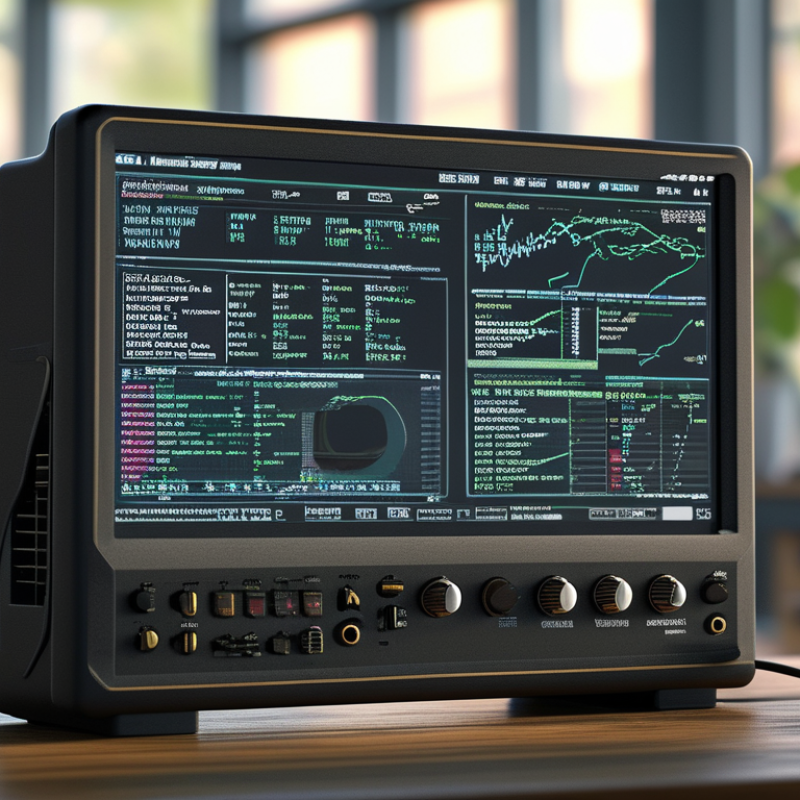
How to Choose the Best High Speed Digitizers for Your Needs?

Understanding the Basics of High-Speed Digitizers

High-speed digitizers are essential for various applications, including scientific research and telecommunications. Understanding their basics is crucial for making informed decisions. A high-speed digitizer samples analog signals and converts them into digital data. The sampling rate and resolution are key specifications that influence performance. Higher sampling rates capture more detail, while greater resolution improves accuracy.

When choosing a digitizer, consider your specific requirements. Think about the signal types you will analyze. Different applications may need distinct bandwidths or input ranges. Practical issues often arise, such as compatibility with existing equipment or software. Reflect on ongoing challenges, like mastering complex data processing software.

Moreover, evaluating the ease of use is important. Some digitizers require intricate setups, while others are more user-friendly. Seek out devices that offer comprehensive documentation and support. Hands-on experience can also enhance your understanding, but be mindful of potential pitfalls. Experimentation and testing will reveal strengths and weaknesses. Always keep an open mind to adjust your approach as technology evolves.

Factors to Consider When Choosing a Digitizer

Choosing the right high-speed digitizer can be challenging. Several factors influence your decision, and understanding them is key. One major aspect is the sample rate. A higher sample rate captures signals more accurately. If your application requires detailed waveforms, prioritize this feature.

Another critical factor is bandwidth. It determines the frequency range your digitizer can effectively measure. If your projects involve high-frequency signals, ensure the bandwidth aligns with those requirements. Consider your input range as well. A wider input range allows for versatility in capturing various signal levels.

Don’t overlook memory depth. More memory enables longer recording times, which is essential for lengthy signals. Be mindful of the trade-offs: higher specifications often lead to increased costs. Assess your actual needs against your budget. Testing a model before purchasing can reveal important usability insights. While specifications matter, real-world performance should guide your choice.

Comparison of Key Factors for High Speed Digitizers

Analyzing Performance Specifications for Your Requirements

When selecting high-speed digitizers, performance specifications are critical. These specifications define how well the device will meet your specific needs. Essential metrics include sampling rate, bandwidth, and resolution. A higher sampling rate often indicates better performance for applications like data acquisition in fast systems. However, more isn’t always better. Sometimes, the most advanced rates can be overkill for certain projects.

Bandwidth also plays a significant role. It affects the range of signals the digitizer can accurately process. A device with too narrow a bandwidth may miss vital information. Users must also consider resolution. A higher resolution gives finer detail but may require more processing power. Finding balance here is challenging. Too much emphasis on one area can lead to poor overall performance.

Ultimately, it’s essential to consider your unique requirements. What’s ideal for one project may not work for another. Keep in mind the trade-offs. If speed is prioritized, you might sacrifice resolution. Regularly reviewing your project specifications against these performance metrics will help. It is vital to remain flexible and adapt your needs as the project evolves.

Comparing Different Brands and Models in the Market

When choosing high-speed digitizers, it's vital to compare different brands and models carefully. Market research shows that the global digitizer market is projected to grow at a CAGR of over 10% from 2022 to 2027. This growth emphasizes the increasing demand for fast and reliable data acquisition systems across numerous fields.

Not all digitizers are created equal. Features like sample rate, bandwidth, and resolution vary significantly among brands. A recent study highlighted that models with higher sample rates can capture transient signals more accurately. However, the complexity of these devices may lead to a steeper learning curve. Understanding the specifications can be overwhelming for some users, and it’s crucial to assess your requirements before making a decision.

Testing is not always straightforward. Many buyers report that real-world performance differs from manufacturers’ claims. Therefore, procuring evaluation units could provide invaluable insights. Beyond specifications, consider customer reviews and case studies. They often reveal critical information about reliability and user experience, which are sometimes absent from technical datasheets. Balancing these aspects will lead to informed choices tailored to your specific needs.

Budgeting and Future-Proofing Your Digitization Setup

When budgeting for high-speed digitizers, consider both immediate costs and future needs. A comprehensive industry report by Markets and Markets estimates the digitization market will grow by 7.2% annually. Investing wisely now can save money later. Aim for equipment that not only fits your budget but also meets potential future demands.

Future-proofing involves selecting digitizers with upgradeable components. Look for models that support various input formats. This flexibility ensures that you won't need a complete overhaul when new technology emerges. For instance, if the digitizer can adapt to new signal processing algorithms, you may avoid costly replacements.

Moreover, think about additional costs. Power consumption and maintenance add up. A study from the International Journal of Electronics points out that companies often underestimate long-term operational costs. Balance your initial expenditure with these future considerations. In the end, a thoughtful budget plan can lead to sustainable digitization solutions.

FAQS

: What is a high-speed digitizer?

: A high-speed digitizer samples analog signals and converts them into digital data.

Why are sampling rate and resolution important?

Higher sampling rates capture more detail. Greater resolution enhances accuracy in digitized data.

How should I choose a high-speed digitizer?

Consider the types of signals and bandwidth required for your specific applications and needs.

What common issues should I be aware of?

Compatibility with existing equipment and the complexity of data processing software can pose challenges.

Is ease of use an important factor?

Yes, some digitizers require complex setups. Look for user-friendly options with good documentation.

What role does bandwidth play in performance?

Bandwidth affects how accurately a digitizer can process signals. Narrow bandwidth can miss important details.

How can I find the right balance in performance specifications?

Focus on your specific needs. Overemphasizing one metric might lead to poor overall performance.

What should I do if I encounter difficulties in my project?

Regularly review your project specifications. Stay flexible and adjust your approach as technology changes.

Can hands-on experience help with understanding digitizers?

Yes, experimentation can reveal a device's strengths and weaknesses. Be open to learning through testing.

What is a common pitfall when using digitizers?

Relying too heavily on advanced features can result in complications. Simplicity is sometimes more effective.

Conclusion

Selecting the right High Speed Digitizers requires a thorough understanding of their fundamental principles and specifications. As a first step, it's essential to comprehend the basics of how these devices work and the key functionalities they offer. When choosing a digitizer, consider critical factors such as the bandwidth, sample rate, and resolution that align with your specific application needs. Analyzing performance specifications is crucial to ensure that the digitizer can handle the data rates and signal types relevant to your projects.

In addition to technical specifications, comparing different brands and models available in the market can provide valuable insights into performance and reliability. Budgeting is also a vital aspect, as it not only influences your initial purchase but also impacts future upgrades and scalability. By evaluating your requirements carefully and considering future-proofing your digitization setup, you can confidently choose the best High Speed Digitizers to suit your operational needs.

Aria

Aria

Aria is a dedicated marketing professional with a deep passion for innovative strategies and a keen understanding of our company's product offerings. With a wealth of experience in the industry, Aria excels at crafting engaging content that highlights the unique features and benefits of our......