2026 Best Frequency Multipliers for Global Buyers?

Time:2026-07-19 Author:Sophia
0%

In the rapidly evolving landscape of electronics, Frequency Multipliers have become essential components. They are crucial for signal processing in telecommunications, radar systems, and medical devices. A recent report from MarketsandMarkets highlights that the global frequency multiplier market is projected to grow at a CAGR of 5.2% from 2021 to 2026, reflecting increasing demand in a variety of sectors.

Dr. Alan B. Smith, a noted expert in radio frequency technology, emphasizes, “The adoption of Frequency Multipliers will redefine communication efficiency.” His insights underline the importance of these devices in enhancing signal integrity and performance. With the increasing complexity of electronic systems, frequency multipliers play a critical role in frequency generation and stabilization.

Yet, challenges persist. Some manufacturers struggle with production costs and technological integration. Ensuring reliability and performance in diverse applications remains a key hurdle. As buyers look for the best frequency multipliers in 2026, understanding these dynamics will be crucial. Quality, performance, and price will be pivotal factors in decision-making.
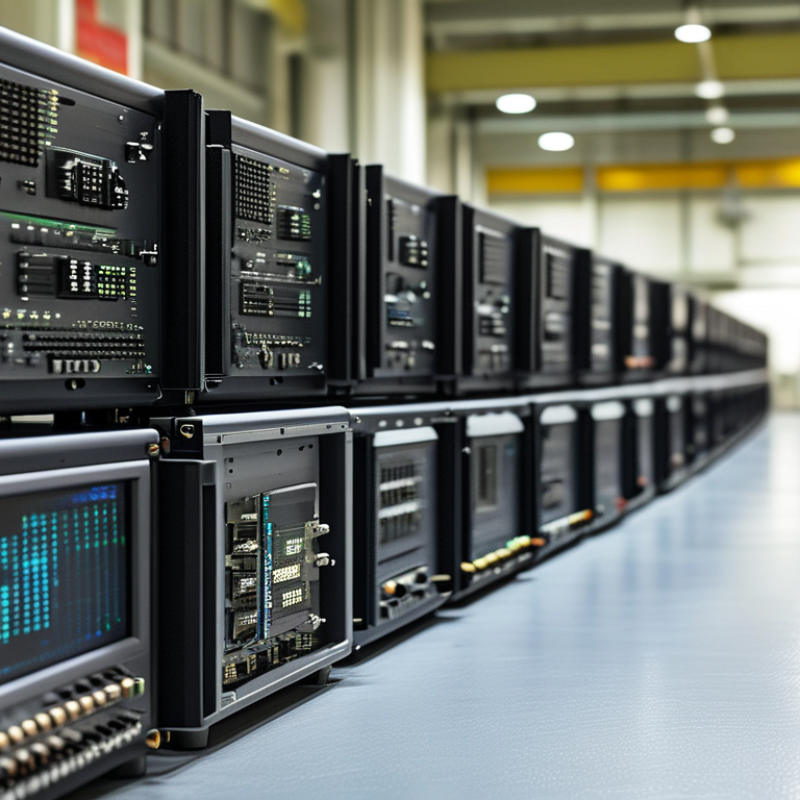
2026 Best Frequency Multipliers for Global Buyers?

Overview of Frequency Multipliers and Their Importance in Global Markets

Frequency multipliers play a key role in various industries. These devices convert input signals into higher frequency outputs. They are essential in telecommunications and signal processing. As technology advances, the demand for efficient frequency multipliers continues to grow. According to a recent report by Markets and Markets, the global frequency multiplier market is expected to reach $1.2 billion by 2026. This significant growth highlights their importance.

In telecommunications, these devices help enhance signal quality. High-quality signals enable better data transmission and communication clarity. Moreover, industries are increasingly relying on these multipliers for research and development. They aid in the testing of devices in laboratories. Yet, not all multipliers are created equal. Some may introduce noise, affecting signal integrity. Understanding the specifications of frequency multipliers becomes crucial for buyers.

Meanwhile, manufacturers face challenges. Producing higher efficiency and lower noise levels can be difficult. The market is also shifting towards compact and versatile designs. Emerging technologies like 5G require innovative solutions. Buyers must consider long-term performance and reliability. Industry reports suggest that buyers should evaluate multipliers' specifications carefully. This ensures they meet their specific needs effectively.

Key Features to Consider When Choosing a Frequency Multiplier

When selecting a frequency multiplier, key features must be considered. Efficiency is among the top priorities. Look for a multiplier that converts input signals to higher frequencies with minimal loss. A higher efficiency means better performance in your applications.

Next, evaluate the frequency range. Different projects may require various ranges. Ensure the device can work within the specific range needed for your application. This flexibility can save future costs on new devices.

Power consumption is also crucial. A lower power requirement not only saves money but also reduces heat generation, enhancing reliability.

Lastly, think about the size and design. Compact multipliers can fit in tight spaces. However, consider whether a smaller size affects performance. All aspects require careful evaluation. Reflecting on your specific needs will guide you to the best choice.

Top Frequency Multiplier Brands and Their Global Market Presence

The global market for frequency multipliers has been evolving rapidly. Key players are leveraging technological advancements to create more efficient products. According to industry reports, the market is projected to reach $1.2 billion by 2026, with a compound annual growth rate (CAGR) of 12%. This growth reflects the increasing demand for communication devices and aerospace applications.

In this competitive landscape, specific brands excel in their global reach. They focus on innovation and reliability, ensuring that their products meet international standards. A study highlights that over 70% of buyers prioritize technical support and product quality. These factors significantly influence purchasing decisions. Global presence is vital, as many buyers seek local support and prompt service.

Tips: When selecting a frequency multiplier, consider local market presence. Assess the reliability of their technical support. Evaluate product reviews but be mindful of potential biases. Conduct your research to ensure you're making informed decisions.

Applications of Frequency Multipliers in Various Industries

Frequency multipliers play an essential role across numerous industries. These devices increase the frequency of an input signal, making them valuable in telecommunications, radar systems, and electronic instrumentation. In telecommunications, they enhance signal clarity by reducing noise. This results in better voice and data transmission. In radar systems, frequency multipliers enable the detection of distant objects. Their ability to amplify signals is crucial for accurate ranging.

In electronic instrumentation, frequency multipliers help improve measurement capabilities. They can convert a low-frequency signal into a higher frequency, which is often easier to analyze. This functionality is significant in various scientific applications. Engineers and technicians rely on these devices for precise measurements. However, the design and implementation of frequency multipliers can present challenges. Users must consider factors like stability and signal distortion.

Tips: Choose frequency multipliers that match your specific application needs. Research different types to find optimal solutions. It’s essential to understand the trade-offs between performance and complexity. Always test devices in controlled environments before deploying them in critical systems. This practice helps identify issues early on.

Future Trends and Innovations in Frequency Multiplier Technology

The future of frequency multiplier technology holds significant promise. Innovations in this field focus on improving efficiency and performance. Emerging materials, like graphene and high-k dielectrics, are paving the way for new designs. These materials could enhance the frequency range and reduce power consumption. Researchers are exploring novel circuit topologies. These advancements may lead to smaller, more versatile devices.

In the coming years, the integration of AI in frequency multipliers is likely. AI can optimize design parameters in real-time, leading to better performance metrics. However, the complexity may introduce challenges. Engineers will need to adapt to new tools while ensuring reliability. The potential for increased functionality exists, but practical implementation must be thoughtfully considered.

Lastly, sustainability is becoming a focal point. Manufacturers are urged to consider eco-friendly materials and energy-efficient processes. While the push for green technology is strong, balancing innovation with environmental responsibility remains a task. Frequent updates from the industries will be essential to track progress. Transitioning towards these innovations may also require retraining staff and refreshing skills.

FAQS

: What are frequency multipliers used for?

: Frequency multipliers increase the frequency of input signals. They are vital in telecommunications and radar systems.

How do frequency multipliers enhance telecommunications?

They reduce noise, improving signal clarity. This leads to better voice and data transmission quality.

What role do frequency multipliers play in radar systems?

They help detect distant objects by amplifying signals for accurate ranging. This functionality is crucial for many applications.

What challenges exist when designing frequency multipliers?

Users must consider stability and signal distortion. These factors can affect overall device performance.

Why is local market presence important when selecting a frequency multiplier?

Local support ensures prompt service. It helps users resolve issues more quickly, enhancing reliability.

What should be prioritized when purchasing frequency multipliers?

Buyers often prioritize technical support and product quality. These aspects significantly impact purchasing decisions.

How can users ensure they choose the right frequency multiplier?

Research different types and match them to specific needs. Testing devices in controlled environments helps identify potential issues.

Are product reviews reliable for choosing these devices?

Reviews can offer insights but may include biases. It's essential to conduct thorough research beyond reviews alone.

What is the projected growth for the frequency multiplier market?

The market is expected to reach $1.2 billion by 2026, with a CAGR of 12%. This indicates rising demand in various sectors.

What trade-offs should be considered with frequency multipliers?

Users must weigh performance against complexity. Understanding these trade-offs can lead to better choices for specific applications.

Conclusion

Frequency multipliers play a crucial role in various global markets by enhancing signal processing capabilities in numerous applications. Their importance stems from the ability to generate higher frequencies from a lower input frequency, which is essential in communications, radar systems, and electronic devices. When selecting a frequency multiplier, key features to consider include efficiency, bandwidth, power output, and size, as these factors significantly impact performance across different industries.

As technology progresses, future trends in frequency multipliers are inclined towards miniaturization and improved efficiency, driven by innovations in materials and design. The ongoing demand for high-frequency applications in sectors such as telecommunications, aerospace, and electronics indicates a vibrant market ahead for frequency multipliers. With advancements paving the way for more sophisticated devices, understanding their application and selection criteria remains vital for global buyers.


Sophia

Sophia

Sophia is a dedicated marketing professional with an exceptional depth of knowledge about her company's products and services. With a keen understanding of market trends and customer needs, she crafts insightful blog posts that not only inform but also engage readers, enriching the company’s online......