2026 Best Assembly Machine for Global Buyers?

Time:2026-10-28 Author:Henry
0%

Choosing the best Assembly Machine for global buyers in 2026 requires more than comparing speed, price, or a polished product video. The right choice must match product geometry, labor conditions, factory space, service access, and future production volumes. A machine that performs well in a German plant may struggle in a humid Southeast Asian facility. Small details matter, including connector standards, spare-part availability, operator training, and changeover time.

Industry data shows why this decision deserves careful review. The International Federation of Robotics reported 541,302 industrial robots installed worldwide in 2023, confirming sustained investment in automated production. Its World Robotics reports also highlight strong demand in automotive, electronics, and metalworking applications. Deloitte’s 2024 Smart Manufacturing Survey found that 86% of manufacturing leaders expect smart manufacturing to become a major competitiveness driver within three years. These findings support integrated equipment, but they do not prove that every factory needs the most advanced system.

There is no universal winner.

The best Assembly Machine should deliver stable cycle times, measurable quality, safe operation, and practical maintenance. Buyers should request sample testing, uptime evidence, reference installations, and a transparent total-cost analysis. Energy use and software compatibility deserve equal attention. A low purchase price can become expensive after repeated stoppages, imported parts, or difficult programming. This guide compares leading machine types, supplier capabilities, automation levels, and ownership risks for international buyers. Some recommendations may remain imperfect, because production conditions differ widely. That uncertainty should be examined, not hidden.
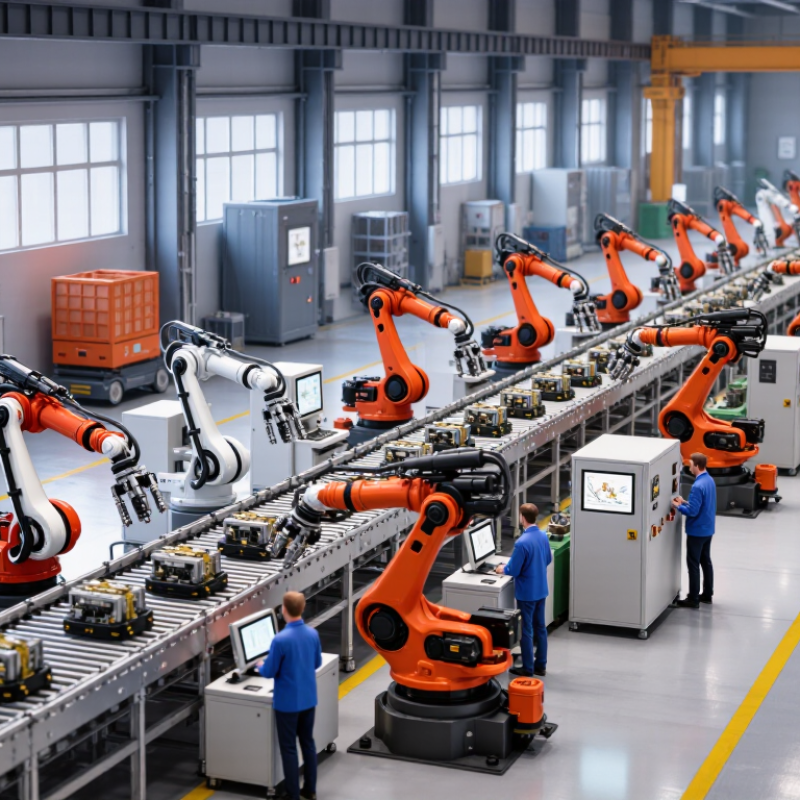
2026 Best Assembly Machine for Global Buyers?

What Is an Assembly Machine?

2026 Best Assembly Machine for Global Buyers?

What Is an Assembly Machine?

An assembly machine joins separate parts into a finished product. It may use feeding systems, fixtures, sensors, screwdrivers, presses, or robotic arms. Some machines perform one task, while others manage a complete production sequence. In my experience, the best design depends on the product, material, output target, and required accuracy. A machine handling tiny electrical parts needs different controls from one assembling metal components. Clear process data matters. So does operator safety.

Tips: Define the product before choosing equipment. Check part tolerances, cycle time, changeover needs, and available floor space. Ask for sample testing. A machine can look impressive but fail with real parts. Review maintenance access, spare-part supply, training, and documentation. These details often decide long-term reliability.

Global buyers should compare more than purchase price. Energy use, software support, inspection functions, and installation requirements can change the total cost. Request measurable results, such as cycle time, reject rate, and repeatability. Also confirm the machine can handle future product changes. This is where many plans become too optimistic. A flexible machine may cost more initially, yet a rigid system can become expensive later. Do not assume automation always improves production. Poor feeding or unclear quality checks can simply make mistakes faster.

How Does an Assembly Machine Work?

2026 Best Assembly Machine for Global Buyers?

How Does an Assembly Machine Work?

An assembly machine combines separate parts into a finished product through controlled, repeatable steps. Parts enter through a feeder, conveyor, or manually loaded fixture. Sensors confirm their position before the machine continues.

A programmable controller directs each movement. Pneumatic cylinders, servo motors, or electric tools then place, press, screw, weld, or clip components together. For example, a sensor may detect a plastic housing, while a servo tool applies measured fastening force. A camera can check alignment, missing parts, surface defects, or incorrect orientation. The machine records these results and separates failed units from approved ones.

Small details often decide performance. A feeder may vibrate too strongly and damage delicate parts. A sensor can also misread a shiny surface. This is where practical testing matters. Buyers should request sample production, cycle-time records, maintenance instructions, and clear training documents. Safety guards, emergency stops, and access controls need verification before operation.

Automation is not magic. It reduces variation, but poor setup still creates repeated mistakes. Operators must clean sensors, inspect tooling, and adjust recipes when materials change. A reliable machine should allow controlled adjustments without hiding critical settings. It should also support traceable inspection data and predictable spare-part planning. Even a well-designed system may need refinement after installation. Production floors are rarely as perfect as drawings suggest.

Which Assembly Machine Types Serve Global Production Needs?

2026 Best Assembly Machine for Global Buyers?

Which Assembly Machine Types Serve Global Production Needs?

Global production rarely fits one machine format. The right choice depends on product geometry, output targets, labor skills, and changeover frequency. In factory evaluations, rotary indexing machines suit stable products with repeated steps. They deliver consistent cycle times and compact layouts. Linear assembly systems handle longer processes and easier station expansion. They often simplify inspection access. Robotic cells work well for varied models, delicate handling, and frequent product changes. They need skilled programming and careful guarding.

High-volume operations may choose dedicated machines with custom tooling. These systems can produce impressive speed. Their weakness is limited flexibility when designs change. Modular platforms offer a more balanced path. Engineers can add feeding, fastening, testing, or vision modules as demand grows. For small batches, semi-automatic workstations may reduce investment and training pressure. They also keep operators involved. That can be useful when products are irregular.

Global buyers should examine more than advertised cycle time. Ask for sample-run data, defect records, uptime definitions, and maintenance access. Check electrical compatibility, documentation quality, spare-part availability, and remote support response. Factory acceptance testing should use real components, not only demonstration samples. A machine may pass a showroom test and still struggle with dust, tolerance variation, or awkward packaging. No machine is perfect. Hands-on trials often reveal overlooked changeover delays. A slower, serviceable system can protect production better across several countries. The decision should reflect operators, technicians, and future product revisions.

2026 Best Assembly Machine for Global Buyers? - Which Assembly Machine Types Serve Global Production Needs?

Assembly Machine Type Typical Output Range Automation Level Best Product Characteristics Typical Changeover Labor Requirement Main Advantages Typical Limitations Most Suitable Global Production Need
Manual Assembly Workstation Approx. 30–300 units per hour, depending on product and operator skill Manual Low-volume, customized, large, delicate, or frequently changing products Minutes to less than one shift High; usually one operator per workstation Lowest initial investment; maximum flexibility; simple training and maintenance Variable cycle time; higher labor cost per unit; more dependent on operator consistency Pilot production, spare parts, regional customization, and low-volume manufacturing
Semi-Automatic Assembly Machine Approx. 100–1,000 units per hour Semi-automatic Products requiring operator loading with automated fastening, pressing, dispensing, testing, or joining Typically 15 minutes to several hours Medium; commonly one operator serves one or more stations Good balance of flexibility, repeatability, investment, and productivity Still requires operators for loading, unloading, inspection, or material handling Small and medium production runs, multiple product variants, and staged automation programs
Linear Indexing Assembly Machine Approx. 300–3,000 units per hour Automatic or semi-automatic Products with sequential operations arranged along a straight production line Several hours to one or more days, depending on tooling Low to medium; operators may load components or monitor the line Scalable layout; accessible stations; suitable for multiple assembly and inspection steps Longer footprint; line stoppage can affect downstream operations; less efficient for very short runs Stable medium- to high-volume production with a defined process sequence
Rotary Indexing Assembly Machine Approx. 600–6,000 units per hour Automatic Compact, repeatable products with several synchronized assembly operations Several hours to multiple days Low; mainly replenishment, setup, quality checks, and maintenance High throughput in a compact footprint; consistent indexing and cycle timing Higher tooling cost; less flexible for major product changes; complex fault recovery High-volume production of stable products with repeatable component presentation
Robotic Assembly Cell Approx. 100–2,000 units per hour, depending on robot count and cycle time Highly automatic Products needing flexible handling, precision placement, machine vision, or varied assembly paths Hours to several days; software and tooling changes may be required Low; skilled technicians are needed for programming and maintenance Flexible automation; repeatable quality; supports ergonomically difficult or hazardous tasks Higher integration complexity; requires validated fixturing, programming, and safety systems Global plants producing several variants or requiring scalable, reconfigurable automation
Servo Press-Fit Assembly Machine Approx. 200–2,000 units per hour Semi-automatic to automatic Components requiring controlled insertion force, position, speed, and force-distance monitoring Hours to one or more days Low to medium Traceable joining parameters; repeatable force control; useful for quality-critical assemblies Requires accurate component tolerances and robust fixtures; unsuitable for non-press-fit processes alone Safety-critical or quality-sensitive assemblies needing documented joining data
Screwdriving and Fastening System Approx. 300–3,000 fastening cycles per hour Semi-automatic to automatic Products using repeatable screw, bolt, or nut fastening operations Minutes to several hours for common variants Low to medium Controlled torque and angle; reduced repetitive work; fastening data can be recorded Sensitive to screw presentation, cross-threading, part alignment, and joint design Electronics, appliances, equipment housings, and mechanical products with repeated fasteners
Dispensing and Bonding Assembly Machine Approx. 100–2,000 units per hour Semi-automatic to automatic Products requiring adhesive, sealant, grease, thermal material, or other controlled fluid application Hours to several days, including material validation Low to medium Accurate volume and path control; supports sealing, bonding, insulation, and thermal management Material shelf life, viscosity, curing time, temperature, and cleanliness affect performance Electronic modules, sealed housings, lighting products, sensors, and fluid-resistant assemblies
Vision-Guided Assembly and Inspection Cell Approx. 200–2,500 units per hour, depending on inspection depth Automatic Products requiring orientation verification, presence checks, measurement, identification, or defect detection Hours to several days Low; requires process and vision-system technicians Improves inspection consistency; creates digital quality records; supports mistake-proofing Performance depends on lighting, contrast, camera calibration, part presentation, and software validation Regulated or quality-sensitive production requiring traceability and consistent inspection
Flexible Modular Assembly Line Approx. 500–5,000 units per hour, depending on line configuration Automatic and reconfigurable Product families sharing common assembly steps, fixtures, controls, and material flow Minutes for recipe changes; hours to days for mechanical reconfiguration Low to medium; operators support material supply, changeovers, and quality control Combines automation efficiency with product-mix flexibility; supports expansion by modules Higher planning and integration effort; requires standardized product and process interfaces Global production networks serving multiple markets, variants, and regional demand patterns
Data note: Output figures are representative industry ranges for comparison only. Actual capacity depends on product geometry, number of operations, cycle time, component feeding, operator loading, tooling, quality requirements, and local safety regulations.

How Should Buyers Evaluate Assembly Machine Performance?

When evaluating an assembly machine, buyers should look beyond advertised speed. On a production floor, stable performance matters more than one impressive cycle-time figure. Measure output across several shifts, including start-up, material changes, and minor stoppages. Record cycle time, first-pass yield, downtime, and changeover duration.

Repeatability is equally important. A machine may assemble quickly but still create loose joints, uneven pressure, or damaged components. Ask for sample runs using materials similar to your production parts. Check dimensional results, reject rates, and operator adjustments. Numbers can mislead. A short demonstration rarely reflects daily conditions.

I once focused too heavily on maximum speed and underestimated maintenance access. That decision created longer interruptions than expected. Buyers should inspect sensors, tooling, software alarms, and cleaning points before signing an order. Safety functions must be clearly documented and tested. Electrical compatibility, local service capability, spare-parts availability, and operator training also influence real performance. A useful evaluation includes a written acceptance test with measurable limits. Leave room for review, because actual factory conditions often expose weaknesses that a sales demonstration cannot show.

What Makes the Best Assembly Machine for Global Buyers in 2026?

For global buyers in 2026, the best assembly machine is not simply the fastest model on a quotation. It must fit real production conditions, including labor skills, product variation, floor space, and local service access. From factory evaluations, repeatable positioning and quick changeovers often matter more than peak cycle speed. A machine assembling 60 units per minute can still lose money during long setup periods. That distinction matters.

A strong machine should offer modular tooling, clear operator guidance, and traceable process data. Sensors can verify presence, orientation, torque, and completion before each product leaves the station. The interface should support common industrial communication standards and several language options.

Safety design also requires guarded motion, emergency controls, risk assessment, and documented maintenance procedures. Buyers should request sample runs using their own parts, not only supplier demonstrations. Measure first-pass yield, changeover time, noise, energy use, and fault recovery. These details reveal practical performance.

Reliable support is equally important across borders. Ask about spare-part lead times, remote diagnostics, technician training, and software update control. A lower purchase price may hide expensive integration, customs delays, or difficult troubleshooting. I would also leave room for manual intervention during unusual defects. Full automation sounds attractive, but it can become fragile when products change frequently. The best choice is a validated, maintainable system that can grow without forcing complete replacement. That is not always the newest machine.

FAQS

What does an assembly machine do?

It joins separate parts into a finished product. It may use feeders, fixtures, sensors, presses, or robotic arms.

Which assembly machine suits stable, high-volume products?

A rotary indexing machine often fits repeated steps and steady output. It saves floor space. Flexibility remains limited.

When is a linear assembly system useful?

It suits longer processes and expanding stations. Inspection access is usually easier. Layout planning still matters.

When should buyers consider a robotic assembly cell?

Robotic cells suit varied models, delicate parts, and frequent changes. They require skilled programming, guarding, and maintenance.

Is the fastest machine always the best choice?

No. Peak speed can hide long setup times, faults, or difficult cleaning. A slower machine may protect real output better.

What should buyers test before purchasing?

Use your own parts in a sample run. Measure cycle time, reject rate, changeover time, noise, and fault recovery.

What safety features should an assembly machine include?

Look for guarded motion, emergency controls, risk assessment, and clear maintenance procedures. Safety cannot be an afterthought.

How can global buyers estimate the total cost?

Include energy use, installation, training, spare parts, software support, shipping, and local service. The quotation is only one piece.

Why is machine flexibility important for future products?

Modular tooling and expandable stations can handle design changes. A rigid system may become expensive later. I might underestimate this risk.

What support should buyers request after installation?

Ask about spare-part lead times, remote diagnosis, technician training, documentation, and controlled software updates. Support delays can stop production.

Conclusion

An Assembly Machine is a production system designed to join, position, fasten, test, or package components with improved speed, accuracy, and consistency. It can operate through manual assistance, semi-automatic processes, or fully automated systems, depending on product complexity and output requirements. By coordinating feeding, component handling, assembly, inspection, and control functions, an Assembly Machine helps manufacturers reduce repetitive labor, minimize errors, and maintain stable production quality.

For global buyers in 2026, choosing the best Assembly Machine requires more than comparing speed or price. Buyers should evaluate assembly accuracy, cycle time, flexibility, equipment reliability, energy efficiency, safety design, maintenance needs, and compatibility with existing production lines. Support for different product sizes, easy changeovers, intelligent monitoring, and clear technical documentation can also improve long-term value. The most suitable solution is one that balances performance, scalability, operating costs, and dependable service while meeting the buyer’s specific production goals and regional compliance requirements.

Henry

Henry

Henry is a dedicated marketing professional with a profound expertise in the company's offerings. With years of experience in the industry, he possesses an impressive understanding of the market dynamics and consumer behaviors that drive success. Henry is committed to sharing his insights through......